Timely and Compliant Commercial Appraisals in Dufferin County
Commercial valuation in Dufferin County rewards local knowledge and disciplined process. The terrain shifts from Orangeville’s busy arterial corridors to Shelburne’s rapidly built subdivisions, then out to industrial shops on rural lots in Amaranth and Mono. Zoning rules can change at the township boundary. Conservation authority mapping might clip the back corner of a site. And lenders differ in what they will accept as market exposure times and stabilization assumptions. A reliable commercial property appraisal in Dufferin County is not a template exercise. It is about reading the market in front of you, proving the story with data, and documenting the file to CUSPAP standards so it stands up to underwriting and audit.
Why speed matters, and what speed actually means
Turnaround time tends to dominate the first conversation. Buyers are trying to remove conditions, construction draws wait on updated values, and annual audits have immovable deadlines. Speed, however, is a function of scope. A 1,500 square foot owner occupied retail condo in Orangeville with recent comparables can be delivered in a week. A multi tenant strip with dated leases, pending façade work, a shared parking easement, and a partial environmental history will not. In practice, we tier commercial appraisal services in Dufferin County by complexity, not by property type alone. A small warehouse with uncertain site plan approval files can take longer than a larger but clean asset with organized documents.
A practical benchmark for a full narrative commercial real estate appraisal in Dufferin County is 7 to 15 business days from receipt of complete information and site access. Rushed files can be done sooner if the scope is narrow and the lender agrees to constraints, but speed never overrides compliance. The goal is timely and defensible, not just fast.
Compliance is a safeguard, not a speed bump
The Appraisal Institute of Canada’s Canadian Uniform Standards of Professional Appraisal Practice, commonly called CUSPAP, govern our work. Experienced commercial property appraisers in Dufferin County operate inside CUSPAP by habit. The standards are not bureaucracy for its own sake. They protect clients by forcing clarity on scope, intended use, extraordinary assumptions, and the level of reporting.
Three compliance anchors drive our process. First, we clearly define the interest being appraised. Fee simple, leased fee, and leasehold each point to different data and different risk. Second, we confirm the effective date. A retrospective value for a tax appeal or a litigation matter is a different assignment than a current date market value for financing. Third, we document research and analysis with enough depth that a peer reviewer could follow the work. That means keeping copies of leases, rent rolls, zoning confirmations, sales verification notes, and cap rate derivations. It also means writing plainly so decision makers can use the report without a translator.
Local zoning and land use reality
Zoning shapes value as surely as bricks and cash flow do. Dufferin’s eight municipalities maintain their own zoning bylaws that ripple into valuation in subtle ways. A few examples from files we have worked:
- A general industrial zone behind Highway 10 allowed outdoor storage but restricted stacking height. For a contractor yard with sea cans, that cap trimmed utility and slightly reduced what otherwise would have been a premium rent.
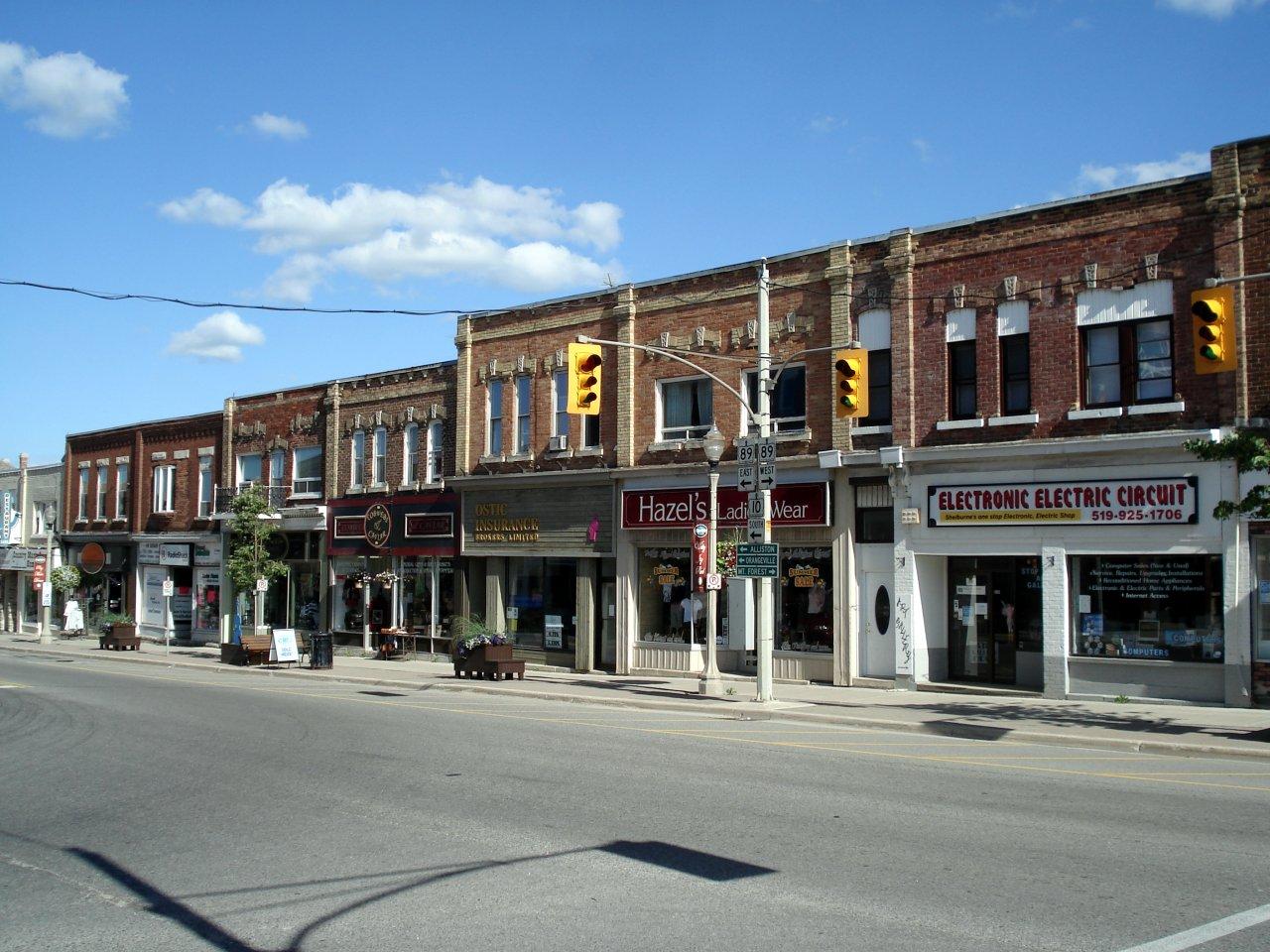
- A main street building in Shelburne had permitted residential units above grade only with specific parking ratios. The owner had converted a rear ground floor space to a micro suite, which the town did not permit. The non conformity affected lender appetite, so we valued the property as legal uses only and treated the micro suite income as non stabilizing.
- A rural ag parcel in Melancthon carried a small aggregate resource overlay. Even without an active pit, the overlay triggered additional due diligence for a buyer. That elongated exposure time and trimmed the pool of purchasers, and we reflected that in our market value definition by discussing reasonable exposure under current conditions.
Planning context matters too. The Niagara Escarpment Commission and the Nottawasaga Valley Conservation Authority have regulated areas that sometimes clip a corner of a site. It is not a fatal flaw, but it changes what can be built, paved, or filled. In an appraisal, that translates into highest and best use analysis with eyes open, not assumptions based on the parcel next door.
Income, direct comparison, and cost approaches used with judgment
Most commercial appraisal services in Dufferin County use all three classical approaches, but we do not force an approach where it adds noise. The income approach dominates for leased properties like retail plazas, multi tenant industrial, and office. We model stabilized net operating income https://gregorywzfm653.iamarrows.com/unlock-property-value-with-commercial-appraisers-in-dufferin-county using actual leases, roll vacant units to market, underwrite structural expenses and reserves, then apply a market derived capitalization rate and, if needed, make a lease up adjustment.
Direct comparison is invaluable for owner occupied assets and land. In Dufferin, land sales demand careful verification. A 3 acre industrial lot on a private road without full municipal services cannot be compared straight across to a fully serviced parcel in Orangeville’s industrial park. The most helpful comparable sales are those where we can talk to buyer or seller, understanding easements, fill requirements, and timing. When that is not possible, we triangulate from multiple imperfect sales and explain the reasoning instead of pretending precision we do not have.
Cost approach is often a cross check. It informs value for special purpose assets like small churches, single user recreational buildings, or greenhouses where income and sales data are thin. Replacement cost new from a credible source, minus physical depreciation and functional obsolescence, then plus land value, can anchor the lower bound, provided we adjust for current construction pricing, which has been volatile. Where volatility is material, we bind the conclusion with a range rather than a single point and discuss sensitivity.
What timely looks like in practice
There is a clear correlation between client preparedness and appraisal timeline. When owners provide a complete rent roll, copies of leases, a site plan, and an up to date property tax bill, we can turn analysis quickly because we are not chasing facts. When we spend days retrieving lease amendments or searching for parking easements, time slips.
A short illustration from Orangeville: a 12,000 square foot flex industrial building with four 3,000 square foot bays, two leased and two owner occupied. The owner had clean digital leases, TMI recovery schedules, and a summary of capital improvements with dates. We inspected on Tuesday morning, had municipal zoning confirmation by Thursday, and delivered a draft the following Wednesday. Because the file was organized and the market evidence was strong, we could move decisively while maintaining compliance.
Now contrast that with a Shelburne retail pad where the ground lease had two unsigned amendments and the environmental report was a draft. The valuation work was straightforward, but the uncertainty around legal obligations forced us to build extraordinary assumptions. The lender’s credit group needed the final documents resolved. The appraisal was ready, but could not be released for reliance until the client addressed the gaps. Time was lost not on analysis, but on documentation.
Data integrity and cap rate evidence
Cap rates are not pulled off a shelf. In Dufferin County, the spread between prime corridor retail and tertiary locations can be a full percentage point or more, depending on lease quality and tenant mix. Industrial often trades at sharper yields than retail when the units are modern with clear heights that match today’s logistics and light manufacturing needs, but rural industrial with well and septic sits in its own lane. We typically back into cap rates from verified sales and also build a yield picture from rent coverage, lender underwriting spreads, and investor interviews. If the available sales are thin, we widen the radius to Caledon, New Tecumseth, and north Brampton, then adjust for location, exposure, and servicing.
We also look hard at rent quality. A 5 year lease to a local covenant at market rent tells a different story than a below market rent to a friend of the owner with handshake renewal options. In the latter scenario, we may stabilize to market rent where credible and explain the basis, or we may value the contract rent if the assignment is to value the leased fee interest. Being explicit about the interest appraised avoids misunderstandings later.
The appraisal engagement, step by step
For anyone engaging a commercial appraiser in Dufferin County for the first time, here is a straightforward sequence that keeps projects moving:
- Define scope and purpose with precision, including intended use, client and any known intended users, and the effective date.
- Provide core documents up front: rent roll, leases and amendments, survey or site plan, tax bill, any environmental or building reports, recent capital work summary, and a contact for property access.
- Confirm lender or third party requirements early, such as reliance language, report format, or specific market value definitions.
- Schedule inspection promptly, including access to roof, mechanical rooms, and any locked areas so we can verify condition and count fixtures where relevant.
- Respond quickly to clarification questions so assumptions do not harden into caveats that slow underwriting.
When both sides follow this rhythm, the appraisal is more likely to meet the tight windows that financings and purchases demand.
Where judgement earns its keep
Templates do not resolve grey areas. A few recurring edge cases in commercial real estate appraisal in Dufferin County call for careful judgement.
A mixed use building in Grand Valley had second floor residential units that were legal non conforming. The owner planned to renovate and add a third unit in the attic. For financing, the lender wanted current as is market value only. We valued the building based on the legal two units, but we also modeled a prospective value for the client, subject to permits and construction, clearly labeling it as hypothetical and outside the lender’s reliance. That solved the bank’s compliance needs and still gave the owner a roadmap.
Another file involved a trucking yard with a gravel surface and uncertain entrance permits on a county road. Market value hinged on whether the operation could continue at scale. We paused to get a letter from the county regarding entrance capacity and heavy vehicle movements. That letter became a linchpin in the analysis, affecting both cap rate selection and exposure time assumptions. The delay cost three days, but it de risked the conclusion and made underwriting smoother.
Environmental and building condition realities
Many lenders require at least a Phase I Environmental Site Assessment for commercial deals, especially where automotive uses, dry cleaning, or historical manufacturing are in play. In Dufferin, properties that used fuel oil historically or sit near former rail lines often trigger extra questions. As appraisers, we do not perform ESAs, but we pay attention to environmental context. If a report exists, we read and reference it. If it is missing where the use suggests it should exist, we note the gap. A report with recommendations can affect value through cost to cure, but even more often through buyer perception and exposure time.
Building condition can be equally material. A 1970s flat roof with near end of life membranes is not just a line item in reserves. It goes to risk. Lenders may haircut loan proceeds, and buyers may insist on holdbacks. In a recent Orangeville industrial file, the difference between a roof replacement estimate of 10 dollars per square foot and 14 dollars per square foot altered the concluded value by a meaningful margin. We did not guess. We asked for a current quote and used that, with a sensitivity note if pricing moved before work commenced.
Highest and best use when growth outpaces infrastructure
Shelburne’s rapid population growth put pressure on main arteries and created demand for more service commercial and light industrial. But infrastructure, servicing, and approvals do not appear overnight. A parcel may sit at a key intersection yet lack sanitary capacity for a restaurant use. Highest and best use is about what is legally permissible, physically possible, financially feasible, and maximally productive. In fast growing nodes, the maximally productive use can shift within a planning horizon. For a current date market value, we test feasibility in today’s constraints. If there is a credible, near term path to intensification with clear milestones, we may bracket a range or provide a prospective value, always labeled and explained. Speculation without a line of sight to approvals does not belong in a lending appraisal.
Reporting formats and reliance
Commercial property appraisers in Dufferin County typically deliver one of three levels of report: a short restricted use report for a single client’s narrow need, a summary report that presents key analysis with supporting exhibits, or a full narrative that lays out methods and evidence in detail. Lenders commonly request summary or narrative reports for commercial assets. If a lender is not the named client, reliance language must be handled correctly. Most banks require direct reliance or a reliance letter. We clarify this at engagement so no one is surprised when credit asks for a specific clause. It is simpler to do it right at the start than to retrofit language later.
Fees that track complexity, not just size
A common question is why a 6,000 square foot dental clinic can cost more to appraise than a 20,000 square foot warehouse. The answer is complexity. Specialized medical build outs carry tenant improvements, recapture provisions, and sometimes equipment liens that need sorting. Comparable sales are thinner. By contrast, a clean warehouse with standard loading and straightforward leases is easier to bracket with data. Fees therefore track the depth of work, the required report level, and any rush premium, not just square footage.
Lender expectations and what varies by institution
Different lenders emphasize different elements. Some want to see explicit market rent comparables for every tenant space, others prefer a blended rent grid. Some require that cap rates be stated as an exact figure, others accept a range with a weighted midpoint. A few lenders will not accept extraordinary assumptions around unfinalized leases, while others permit them with escrow conditions. If you know the lender at engagement, tell your commercial appraiser in Dufferin County. We tailor the report to the credit culture without compromising standards.
Litigation, tax appeal, and expropriation assignments
Not every assignment is for financing. We are often retained for property tax appeals, where the question is equity and correctness of assessed value, not market value for sale. The analysis pivots to assessment methodology, comparability, and statutory definitions. In expropriation matters, Ontario’s Expropriations Act frames compensation categories, including market value and potential injurious affection. Those files demand tight definition of takings, severance damages where applicable, and often retrospective valuation dates. The stakes justify longer timelines and deeper documentation. If you are facing one of these, early engagement pays off because appraisers may need to inspect before construction alters the property or traffic patterns change.
Rural industrial and agricultural crossovers
Dufferin has a large rural base. Industrial uses on agricultural parcels raise questions about legal non farm uses, site coverage, and servicing. Where a shop is tied to a farm operation, the income and buyer pool are different than for a general market contractor yard. We have valued farms with secondary income from billboards, cell towers, and seasonal storage. Each income stream has its own risk profile and legal context. In appraisal terms, we separate and capitalize appropriately or strip out non transferable income if the market would discount it. A straightforward way to misvalue rural commercial assets is to lump all income together and apply a city cap rate.
Preparing for inspection and follow up
Small steps before inspection help. Clear access to electrical rooms and rooftops lets us verify age and condition. A quick note about any safety requirements avoids rescheduling. If there have been recent improvements, a one page summary with invoices tightens the narrative and demonstrates care for the asset. After inspection, we often send a handful of targeted questions. Fast, specific answers prevent avoidable assumptions.
Here is a compact pre inspection checklist that tends to save days later:
- Ensure all tenant spaces are accessible or provide clear photos if a tenant restricts entry under lease terms.
- Set aside copies of leases and amendments in one labeled folder, digital if possible.
- Provide contact details for a municipal planning or building staffer who can confirm unusual approvals on file.
- If the site has known environmental history, share the latest reports and any clearance letters.
- Flag any pending changes, such as a signed lease not yet commenced, or a capital project scheduled within three months.
Using local comparables responsibly
The temptation is to use only Dufferin County comparables. Often that is best, but not always. For a specialized shop building with 24 foot clear heights and modern power, the closest relevant sales may sit across the county line in Caledon or Alliston. We will not pretend a 16 foot clear building is a close match just because it is nearby. The better approach is to select regionally relevant comparables, adjust transparently for location, and explain why each was used. Advanced clients recognize that well chosen, well adjusted comparables beat perfect geography with poor relevance.
When a range beats a false decimal
Sometimes the right answer is a value range. If land sales sit between 600,000 and 700,000 dollars per acre for serviced industrial and your site has partial servicing with an uncertain timeline for the balance, a concluded 650,000 dollars per acre with discussion of variance is more honest than a single figure stated to the dollar. Lenders can work with ranges when the rationale is clear. It reflects real market dispersion instead of a manufactured precision.
The practical meaning of market value
We define market value using the AIC standard definition. In day to day terms, it means what a well informed buyer would reasonably pay a well informed seller for a property after proper exposure to the market, with neither party under duress, and cash or cash equivalent terms. Proper exposure in Dufferin is not a fixed number of days. It depends on the asset. A small, well priced contractor shop might place within 30 to 60 days. A larger asset with specialized features may take longer, especially if it appeals to users rather than investors. We match exposure time assumptions to evidence and explain the call.
Choosing the right commercial appraiser in Dufferin County
Experience is visible in the questions an appraiser asks at engagement. If the first five minutes cover zoning specifics, servicing, lease structures, environmental flags, and lender reliance needs, you are likely dealing with a professional. References from local lenders and lawyers help too. The best commercial appraiser in Dufferin County for your file is the one who has seen assets like yours, can speak to current investor sentiment, and writes clearly. Reports are not just for the shelf. They inform decisions worth millions.
If you are ready to proceed, assemble your documents, be frank about timing, and expect your appraiser to push back where facts are incomplete. That tension is healthy. It is the difference between a report that satisfies underwriting, and one that stalls at credit because assumptions were left vague.
Final thoughts from the field
After hundreds of valuations across the county, a few patterns persist. Organized owners get better timelines and fewer lender questions. Clear highest and best use analysis prevents value from drifting on hope. Verified comparables, even if they sit just outside the county, beat parochialism. And compliance with CUSPAP is not negotiable, because the moment you tuck an extraordinary assumption into a footnote to save a day, you trade speed for risk.
Commercial appraisal services in Dufferin County work best when appraiser and client act as partners in a disciplined process. Bring the facts, expect transparent reasoning, and ask for plain language. The rest is craft. That craft turns local market nuance into numbers that can be trusted, whether the task is financing a Shelburne strip, acquiring development land outside Orangeville, or documenting value for a complex corporate transaction. When timing is tight, process and judgment carry the load, and a well prepared team delivers both.