The Role of Market Analysis in Commercial Real Estate Appraisal in Perth County
Commercial property values do not live on spreadsheets alone. In Perth County, the story behind the numbers matters just as much as the math, because this market is a blend of main street retail, owner occupied industrial, highway commercial strips, and land banks edging toward future development. A credible commercial real estate appraisal in Perth County starts with market analysis that is specific to where the asset sits, who it serves, and how demand moves through the county’s economy.
I have spent years watching deals in Stratford, Listowel, Mitchell, and Milverton come together, stall, and re price based on details that never show up in a national quarterly report. Tenant rosters change with the crop cycle and the tourism calendar. A single new grocer can reset an entire intersection’s retail rent. A highway improvement can turn yesterday’s back lot into the next logistics yard. Good market analysis connects those dots before they become comps.
What market analysis actually means for an appraisal
Market analysis is the disciplined translation of local demand and supply into the key assumptions the appraisal must defend. It is not a generic market overview, and it is not a collection of sales pasted into an appendix. In a commercial appraisal, market analysis must answer three practical questions.
First, what is the highest and best use given zoning, physical constraints, and probable demand over a realistic time frame. Second, how do current and near term market conditions shape the income, vacancy, expenses, and investor return expectations for the property. Third, where do supportable comparables sit on the spectrum of relevance, and how should they be adjusted to reflect the subject’s reality.
When those questions are answered with Perth County context, the rest of the appraisal rests on firmer ground. Whether you order commercial appraisal services in Perth County for financing, tax appeal, acquisition, or litigation, you should see that logic show through in the valuation narrative, not just in the conclusion.
Perth County’s mosaic of submarkets
Perth County is not one homogeneous market. It is an interconnected set of submarkets whose trades and rents respond to different forces.
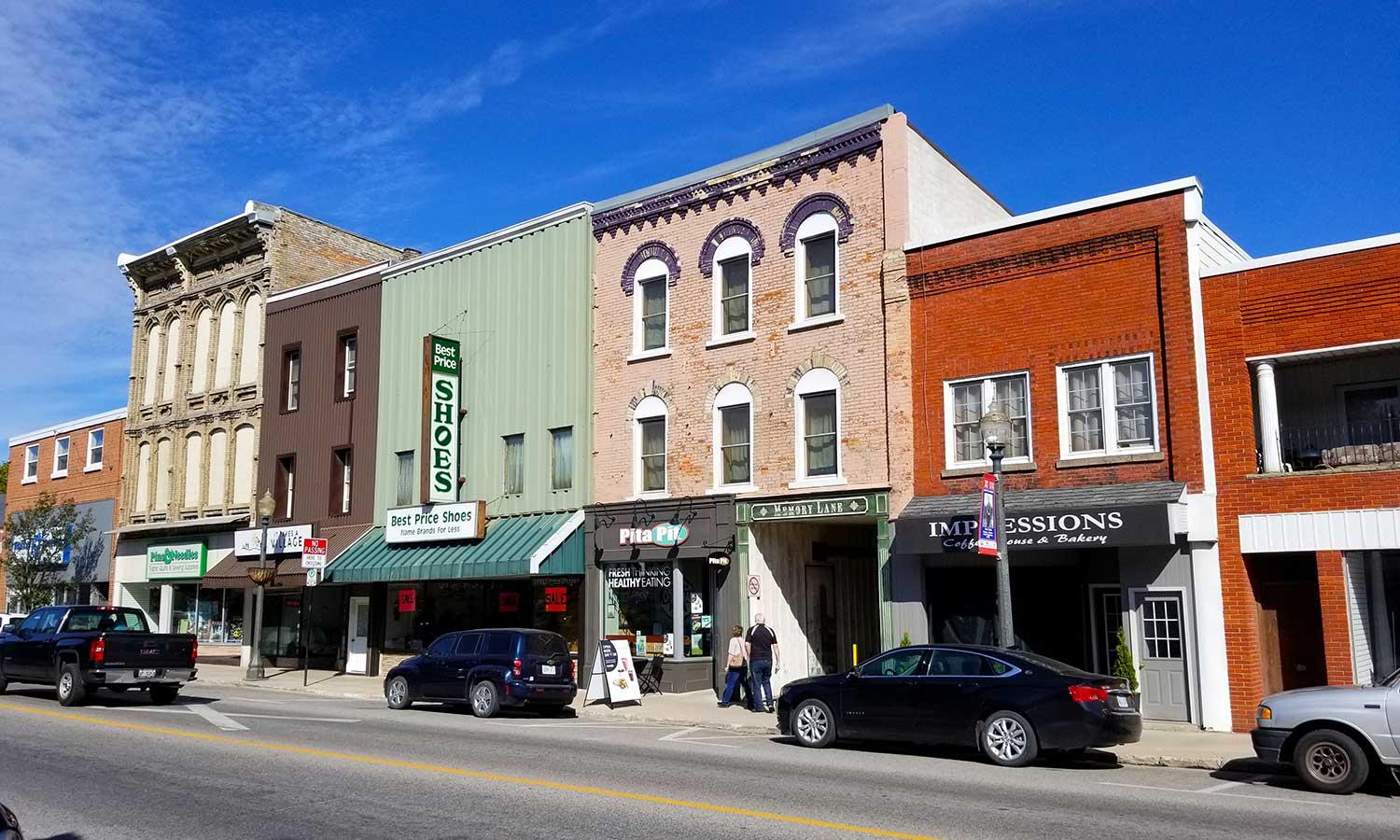
Stratford’s core mixes destination retail and restaurant space with upper floor offices that ebb with the festival season. A 1,500 square foot storefront on Ontario Street with strong tourist footfall behaves differently than a neighborhood strip near a grocery anchor. Asking rents can cluster within a band, but effective rents often hinge on tenant inducements and who pays for capital upgrades, which a good commercial appraiser in Perth County will surface through interviews and file reviews.
Listowel, within North Perth, draws highway retail and service commercial that feeds a broader rural catchment. National brands cycle through highway sites along Wallace Avenue and Main Street, and that churn influences cap rates. Owner occupiers, especially automotive service and building supply businesses, create comparable sales that look high on a per square foot basis because they capture business value or synergy, not just bricks and land. Recognizing and filtering that effect is critical for a credible commercial property appraisal in Perth County.
Mitchell and Perth East lean industrial and agri service. Single tenant metal buildings with 18 to 24 foot clear heights house fabricators, logistics, and farm supply operators. These are often on larger lots with room for outdoor storage, sometimes on private services or with limited water capacity. Those physical facts shape functional obsolescence and expansion potential, and they directly affect rent and saleability.
Across the county, land deals vary widely. Inside built up areas, infill parcels face servicing constraints, heritage overlays, and site plan requirements that extend timelines and carry soft costs. At the edges, rural commercial designations carry restrictions on permitted uses and access. A naive reading of a land comp without that context can miss six figures of entitlement risk.
How market analysis flows into the valuation approaches
Every appraisal leans on three approaches to value, weighted to fit the assignment. Market analysis informs each in distinct ways.
In the income approach, the appraiser must model market rent, vacancy and credit loss, stabilized expenses, and a capitalization or discount rate. Market analysis provides the defensible inputs. For example, a 12,000 square foot light industrial building in Mitchell with two drive in doors and 600 amp power might command 9 to 13 dollars per square foot net, depending on condition, loading, and yard utility. Interviews with local brokers and a review of executed leases show the real range. If near term supply includes a new industrial condo project offering shell units with modern sprinklers, that upper bound may soften for older stock, which pushes the appraiser to the lower half of the rent band and a higher vacancy allowance during rollover.
For the sales comparison approach, market analysis tightens the comp selection and the adjustments. A highway retail pad in Listowel with a drive thru and a ground lease to a national tenant trades differently than a multi tenant strip in Mitchell with a dental office and a local bakery. Net operating income durability, lease terms, construction date, and parking ratios feed adjustments that cannot be guessed. When the market is thin on direct comps, the appraiser triangulates from nearby counties, then quantifies differences tied to traffic counts, assessed values, and tenant mix strength.
In the cost approach, market analysis helps distinguish between physical depreciation and market based functional issues. An older warehouse near Stratford with 12 foot clear height may be sound but limited for higher margin tenants that need racking volume. That market reality accelerates functional obsolescence beyond simple age based tables. Similarly, replacement cost must reflect what developers are actually paying for tilt up or pre engineered steel in Southwestern Ontario, including current labor rates and supply chain timing.
Sourcing and testing the data, not just repeating it
A commercial appraiser in Perth County lives or dies by the quality of the data behind the opinion. Published data sets often undercount private sales or lack net effective rent details. The fix is legwork and triangulation. Municipal records, including zoning by laws and site plan agreements, confirm permitted uses and latent constraints. MPAC and land registry data provide sale transactions, but require context. Broker interviews and property manager calls surface inducements and renewal options that change the economics. Environmental reports, when available, explain why a price is low or a buyer demanded a reserve for remediation.
I often cross check asking rents with utilities consumption to gauge occupancy and use intensity. If gas and hydro usage jumped last year, a reported vacancy might have quietly filled. In small towns, contractor calendars are another proxy. If the HVAC technician who serves half the industrial park is booked out, new tenant buildouts are underway and rents may be firming. These are not shortcuts, they are supporting details that align with formal data.
Demand drivers that actually move the needle
Two sectors drive much of Perth County’s commercial demand. The first is agri food and the supply chain around it. From farm equipment dealers to cold storage and specialty processors, this ecosystem values accessibility for trucks, outdoor storage, and power capacity. Buildings that accommodate those needs lease faster and at healthier rates. Vacancy risk for these assets tends to be lower, but lease up times after a departure can still stretch if a single tenant space is too specialized.
The second is tourism and culture concentrated in Stratford, which supports premium retail and hospitality during the festival season, then tests durability in the shoulder months. Properties that blend ground floor retail with stable upper floor office users weather that seasonality better.
Employment growth in nearby Kitchener Waterloo and London also matters. Some businesses locate in Perth County for cost advantages while staying within a reasonable drive to those hubs. Industrial land priced 20 to 40 percent below larger metros attracts owner occupiers, which affects the comp base and the cap rate narrative.
Translating market context into cap rates and discount rates
Investors in Perth County still look first at yield and risk. Cap rates for small format, multi tenant retail without national covenants might sit a full percentage point higher than similar assets in Kitchener, largely due to perceived exit liquidity and tenant depth. Single tenant industrial with a five to seven year lease to a regional credit can price more tightly, but spreads widen quickly if the building is older or has limited loading.
A thoughtful commercial appraisal in Perth County does not pluck a cap rate from a national table. It builds a range from recent trades, broker guidance, debt quotes, and the subject’s durability. If bank financing on stabilized commercial at 65 percent loan to value quotes at prime plus 1.5 to 2.5 percent, and investors target a 2.0 to 3.5 percent spread over debt service, you can back into a supportable cap rate band. A property with below market rents and near term upside may justify a lower going in cap within that band, with the appraiser addressing reversion risk in a discounted cash flow. Conversely, a short remaining lease term to a single tenant and limited backfill options push the cap higher or require additional yield in the DCF.
Highest and best use is not theoretical here
In Perth County, highest and best use decisions often hinge on servicing and access. A parcel along a county road with no sanitary service might be zoned for highway commercial but support only low intensity uses until a costly extension becomes realistic. A credible commercial real estate appraisal in Perth County will quantify those barriers in time and dollars, and then adjust land value or project timing accordingly.
A site near Stratford’s core may allow mixed use but face heritage constraints that limit demolition, which can push the highest and best use toward adaptive reuse rather than full redevelopment. That choice changes the cost inputs and the absorption timeline, and investors will underwrite different return profiles. Market analysis sets these expectations, not a generic zoning summary.
Case snapshots from the field
A small industrial building in Mitchell looked like a straightforward income asset on paper. A national catalog company had just vacated, and marketing materials touted strong interest. Site inspection showed a single phase power setup with a transformer that capped upgrades without a utility lead time of several months. Interviews confirmed that the two most likely tenants needed three phase for equipment. That detail reset lease up timing from 60 to 180 days and shaved 50 cents per square foot from pro forma rent to account for concessions. The value moved materially, and the lender appreciated the reasoning when the commercial appraisal landed.
On Ontario Street in Stratford, a pair of ground floor shops with short term leases had seen headline rent growth. Closer review revealed significant tenant inducements spread over the first year, plus landlord funded facade and mechanical improvements. The net effective rent over the first term sat 8 to 12 percent below the headline, which mattered for the cap rate story. A pure sales comparison missed the nuance, but an income approach with market based concessions captured it. The final opinion reconciled toward income.
In Listowel, a highway pad with a new quick service tenant attracted offers at a tight yield. The ground lease terms included an atypical landlord responsibility for certain capital items, and the traffic count showed seasonal dips. Incorporating those items into an expense and risk adjustment held value in check. The buyer later renegotiated the maintenance clause, which aligned the final price with the adjusted cap rate used in the appraisal.
Special purpose and owner occupied properties
Many commercial assets in Perth County are owner occupied. Think equipment dealers, grain handling sites, or fabrication shops with custom fit outs. Sales of these properties can embed business value, which inflates unit pricing. An experienced commercial appraiser in Perth County will parse the installed equipment roster, confirm what is real property versus personal property, and adjust the sales comparison set to avoid over valuation.
Special purpose assets also require careful market scoping. A cold storage building with specialized insulation and multiple coolers may have a narrow tenant base. Even if replacement cost is high, the limited pool of users translates to longer vacancy risk and higher cap rates. https://caidenychh616.cavandoragh.org/office-property-valuations-commercial-appraiser-insights-for-perth-county-owners Market analysis must quantify that risk, often by interviewing operators in adjacent counties and mapping drive times to their suppliers.
Pipeline, absorption, and timing risk
Commercial markets in smaller regions can move from tight to soft in a single development cycle. If a new 60,000 square foot industrial park breaks ground in North Perth with staged delivery over two years, that new supply will absorb a portion of pent up demand, but it may also pull tenants from older stock. The appraiser’s job is to read the pre leasing status, pricing strategy, and tenant profile of that project, then adjust the subject’s rent growth and lease up assumptions. If the subject is a second generation industrial building with low clear heights, anticipate pressure on face rents and an uptick in free rent offered to compete.
Retail follows similar patterns, although anchors make or break trade areas. A new grocery anchored centre can reset market rents within a one to two kilometer radius. That halo effect is strongest in the first three years post opening. A commercial property appraisal in Perth County that assumes static rents in the shadow of a new anchor is not credible.
Regulatory context that actually impacts value
Zoning in Perth County and its lower tier municipalities is not a footnote. Permitted uses can be broad under highway commercial, but some municipalities limit automotive uses, outdoor storage, or drive thru permissions. Site plan agreements may cap hours of operation or require landscaping and façade standards that add upfront cost. Development charges vary and can shift with budget cycles. These items change tenant mix possibilities and should appear in the appraisal’s market analysis.
Heritage overlays in Stratford introduce design constraints and review timelines. For investors without local experience, those timelines add soft costs. A good appraisal sets realistic expectations, then values the asset accordingly.
Environmental context matters as well. Former industrial or service station sites often carry records of site condition or phase two reports. If a comparable sale includes an indemnity or escrow for remediation, price per square foot must be adjusted before it informs the subject.
What clients should expect in a market analysis section
When you engage commercial appraisal services in Perth County, the market analysis should not read like boilerplate. Look for a focused narrative tied to the subject’s use, location, and likely buyer or tenant pool. If the appraisal is for financing, the analysis should also speak to income durability and exit liquidity. For acquisitions, it should test pro forma assumptions against recent deals and provide a clear view on risks that deserve price protection.
Here is a concise checklist that reflects how a thorough market analysis typically proceeds:
- Define the subject’s competitive set by use, size, condition, and location, then confirm it with local market participants.
- Establish realistic rent and expense bands using executed leases and adjusted asks, not just averages.
- Map current and near term supply, with commentary on pre leasing, pricing, and likely tenant cannibalization.
- Build a cap rate or discount rate range from actual trades, debt quotes, and the subject’s specific risk drivers.
- Test highest and best use against zoning, servicing, and absorption constraints, with order of magnitude timing and cost.
If those elements appear with local detail, the opinion of value is more likely to withstand lender review and negotiation.
Common pitfalls when market analysis is weak
Appraisals go off track when the market analysis is shallow or imported from a different region. The most common failure modes are straightforward to spot and avoid:
- Relying on headline rents without net effective reconciliation for inducements and landlord work.
- Treating owner occupied or business value laden sales as clean comps without adjustment.
- Ignoring near term supply that will reset rents or increase concessions during lease up.
- Applying big city cap rates to small market properties with thinner buyer pools and longer marketing periods.
- Skipping the gritty details of servicing, power capacity, and access that dictate tenant fit and rent.
If you see these issues, push back. A seasoned commercial appraiser in Perth County will welcome the conversation and bring better support to the file.
Seasonal patterns and cash flow smoothing
Stratford’s cultural calendar is a real force. Restaurants and boutique retailers often earn a disproportionate share of revenue from May through October. Landlords structure rents in ways that reflect this, including percentage rent thresholds or stepped rents keyed to the season. When analyzing a ground floor retail building, an appraiser should ask for monthly rent rolls and sales reports where available. That cadence informs the vacancy and collection loss assumptions, and it tempers optimism about year round performance. Investors accept that volatility if the tenant mix is resilient and the location captures shoulder season traffic, but the pro forma needs to reflect the cash flow curve.
Building condition, capital needs, and their market impact
Construction type and building systems have outsized value effects in this region. Pre engineered steel buildings can be cost effective but may face insulation and condensation issues if not upgraded. Older masonry or block structures may be durable but suffer heat loss without retrofits. Roof type drives capital planning. A ballasted roof approaching year 20 represents a known hit that tenants push back on during renewals. Market analysis accounts for these patterns by embedding realistic capital reserves that match what tenants expect landlords to cover, which then filters into net operating income and cap rate selection.
Loading and yard functionality also matter. A site with tight turning radii or limited trailer parking will sit longer on the market, all else equal. Appraisers who spend time on site with a tape measure and camera build stronger opinions, because those physical facts explain why a building leases at 10.25 dollars instead of 11.50.
Reconciling across approaches with market insight
After working through the income, sales, and cost approaches, an appraiser should reconcile them in a way that mirrors market behavior. In Perth County, income tends to lead for stabilized assets with multiple tenants. Sales comparison carries weight when direct comps are abundant and clean, which is rare outside a few asset types and sizes. Cost has value when the asset is new or special purpose, but functional factors often reduce reliance. The reconciliation should cite local investor behavior. If recent trades closed on in place income with minimal attention to replacement cost, lean toward income. If land is scarce and construction costs are volatile, keep cost in the conversation, but mark it down where obsolescence is visible.
How to use a strong appraisal in negotiation
A well supported commercial real estate appraisal in Perth County does more than satisfy a lender. It gives buyers leverage when terms shift and helps owners defend pricing when casual criticism appears. I have seen buyers use the market analysis section to negotiate rent abatements during due diligence because the appraisal quantified local concession norms. I have also watched sellers steer would be price choppers back to the NOI durability and tenant retention data the appraiser documented.
The best test is whether the market analysis equips you to explain the property to a skeptical third party who knows the county. If it does, you commissioned the right report.
Final thoughts for owners, lenders, and advisors
Perth County’s commercial market rewards attention to detail. The right commercial appraisal in Perth County will read like it was written for your asset, not for a classroom. It will show how rent bands, vacancy, expenses, and cap rates flow from actual deals nearby, and it will flag the infrastructure and regulatory realities that turn potential into performance.
If you are hiring, ask the appraiser how they will source lease data in Stratford’s core, how they will handle owner occupied industrial sales in Mitchell, and how they will treat highway commercial pads in Listowel with atypical landlord obligations. If the answers include site specific interviews, reconciliation of net effective rents, and a clear cap rate framework built from debt quotes and recent trades, you are on the right track.

Market analysis is not a decorative preface. It is the foundation of value. Done well, it clarifies risk and reduces surprises. In Perth County, where a new anchor tenant, a servicing constraint, or a crop cycle can shape pricing, that clarity is worth as much as a few basis points on the cap rate. And for the clients who depend on credible numbers, that is the difference between a file that closes and one that lingers.
For anyone comparing providers, remember that a commercial property appraisal in Perth County should deliver more than a number. It should deliver a narrative that fits the geography, the tenants, and the timing, backed by data that endures scrutiny. That is what lenders expect, what buyers and sellers can use, and what a professional commercial appraiser in Perth County should provide every time.