The Role of Commercial Building Appraisers in Dufferin County Transactions
Commercial property deals in Dufferin County move on a foundation of evidence. Buyers, lenders, and owners might have instincts about price, but capital changes hands only when a qualified opinion of value ties the story together. That is the job of the commercial building appraiser. In a region that blends small‑town main streets, modern industrial bays, rural yard space, and development land, the work requires technical skill and local judgment in equal measure.
I have worked on files across Orangeville, Shelburne, Mono, Grand Valley, and the rural townships. The same methods apply whether a property fronts Broadway in Orangeville or sits on a concession road in Melancthon, but the context changes the answer. This article explains how appraisers support transactions, what they look for in Dufferin County, and how clients can use their work to make better decisions.
What a commercial appraisal really does in a transaction
There is a misconception that an appraisal just backs into a number to meet a lender’s needs. In real practice, a commercial appraisal is a narrative argument that stands on two legs: credible data and defensible analysis. The report explains what the property is, how it is used, what the relevant market has been paying for similar assets, and where the subject fits within that pattern.
For a typical purchase financing on a small industrial condo in Orangeville, the lender will order a narrative report prepared by a designated appraiser, often with the AACI credential from the Appraisal Institute of Canada. The report will follow CUSPAP, the Canadian Uniform Standards of Professional Appraisal Practice. The scope usually includes a site visit, zoning review, lease review if occupied, analysis through at least two valuation approaches, and a reconciliation into a final estimate of market value. When the number supports the loan-to-value ratio, funds move. When it does not, either the deal reprices, the borrower adds equity, or the parties move on.
Commercial appraisals also inform estate settlements, shareholder buyouts, capital gains planning, expropriation, and insurance coverage. In all of those, the output needs to reflect a standard of value that matches the purpose. Market value for financing differs from replacement cost for insurance and from market rent for arbitration. Clear instructions at the outset save surprises later.
The Dufferin County context: why local knowledge matters
Dufferin County is close enough to the Greater Toronto Area to feel its pull, yet far enough to maintain distinct submarkets. Orangeville’s commercial core serves a regional population, so storefront rents and vacancy levels there behave differently than in Shelburne’s rapidly growing corridors or Mono’s highway‑oriented retail pockets. Industrial properties along Highway 10 and Highway 9 draw demand from logistics and trades, while rural commercial sites often involve outside storage, trucking, and contractor yards. Each niche has its own rent band, cap rate expectations, and buyer pool.
Development land adds another layer. Parcels within settlement boundaries with servicing potential are a different product than large agricultural tracts with long time horizons. Local official plans, zoning bylaws, and development charge regimes shape value. Municipalities in Dufferin can vary on lot coverage, height limits, parking requirements, and permitted uses. A commercial building appraiser who works the county reads those rules alongside market data, because a use that is legal but not feasible tells a different story than a use that is both permitted and in strong demand.
Seasonality shows up here too. Snow loads and freeze‑thaw cycles matter for roofing and paved yards. Rural properties often run on well and septic, which changes replacement cost and functional suitability. Power supply and clear height can be the difference between full occupancy and chronic vacancy in industrial buildings. These details rarely appear on a listing sheet, but they move the needle in valuation.
When to bring in a commercial appraiser
Ordering the appraisal early makes the rest of the deal easier. If the building is already under contract at a price that needs 75 percent loan‑to‑value, and the market evidence only supports 65 percent, better to know before the waiver date.
- Pre‑offer valuation to set a bid or sale price on complex assets where comparables are thin
- Financing or refinancing to support loan underwriting and covenant decisions
- Estate planning, corporate reorganizations, or capital gains estimates where documentation is crucial
- Expropriation or partial takings, which require specialized reports with before‑and‑after analysis
- Insurance reviews for replacement cost, especially for older construction and rural buildings
Those same triggers apply to land. For development sites, commercial land appraisers in Dufferin County are often engaged at the due diligence stage. A candid feasibility view helps weigh carrying costs against timeline and approval risk.
How value is developed: three core approaches
Appraisers rely on established methods, selected and weighted to fit the property type and the data at hand. In Dufferin County transactions, three approaches do most of the work.
- Direct comparison: Sales of similar properties, adjusted for differences in size, location, age, condition, tenancy, and timing. This approach anchors small industrial condos, single‑tenant retail pads, and owner‑occupied buildings. In tighter submarkets, the challenge is finding enough recent, arm’s‑length sales.
- Income approach: Capitalizes stabilized net operating income using market‑supported cap rates, or applies discounted cash flow for more complex cash streams. Multi‑tenant retail plazas, industrial complexes, and office buildings in Orangeville are typical candidates. The quality of the rent roll and expense normalization matter more than any single comparable sale.
- Cost approach: Replacement cost new less physical, functional, and external depreciation, plus land value. Useful for special‑purpose properties and when sales are scarce. In rural settings with unique improvements, this approach can ground the analysis, then the other methods confirm the market’s willingness to pay.
A strong report will explain why each approach is, or is not, applied. If the market rents for older secondary office stock in Orangeville sit in a narrow range and sales are dated, the income approach may carry the most weight. For a new contractor’s shop with oversized doors, a service bay, and heavy power on a rural lot, the cost approach often pairs with a land sales analysis to set a value bracket.
The nuts and bolts the report must get right
Small errors can skew value. The items below are easy to gloss over and costly when missed.
Building area: Lenders and buyers rely on correct floor area. Measured area can differ from stated area by 5 to 10 percent, and for multi‑tenant assets BOMA or other measurement standards should be disclosed. That difference flows straight into price and rent metrics.
Zoning and legal non‑conformity: A building might be larger than current coverage limits or have a use that predates the zoning in place. Legal non‑conforming status affects risk and insurance, and it shapes highest and best use. The report should document this, not just list a zoning code.
Environmental context: Many rural commercial sites have historical fuel storage or fill material. An appraiser does not perform environmental assessments, but a good report will flag observed risks and call for a Phase I ESA where appropriate. Lenders often make that a condition anyway.
Utilities and service: Rural wells and septics require different maintenance budgets and influence tenant profiles. Electrical capacity, gas service, and fiber availability can make a space leasable to better credit tenants. Those are not throwaway details.
Lease audit: For income properties, the rent roll must be reconciled against executed leases. Free rent, step‑ups, percentage rent, and gross versus net structures all feed the effective gross income. Proper expense normalization trims fat from landlord‑funded utilities or one‑off repairs that should not perpetuate.
Commercial land appraisals are their own discipline
Commercial land appraisers in Dufferin County face a different dataset. Land rarely trades as frequently as improved property, and each parcel is more distinct. An appraisal will often rely on a land residual logic or on sales adjusted for density, frontage, access, and services.
Two examples illustrate the nuance:
A mid‑block parcel inside an urban boundary with planned servicing within two years. Here, value hinges on achievable density and timing. The appraiser will review the official plan, secondary plan if available, and engineering timelines. Comparable sales may be normalized to a price per buildable square foot or per unit, then discounted for holding period risk if approvals are not yet in place.
A highway‑exposed rural parcel zoned for highway commercial uses, with limited well capacity. Permitted uses may allow a single‑tenant building, but the well constraint caps demand. The appraiser adjusts for that, often by narrowing the buyer pool and raising the required yield to reflect higher vacancy and specialized fit‑out costs.
Land files also benefit from early conversations with municipal planning staff. An appraiser cannot guarantee outcomes, but can document the policy landscape and typical approval paths. That context often shifts value more than any comparable sale.
What lenders and investors expect from the report
Lenders want clarity about risk, and investors want confidence about return. A good report answers both without fluff. It will articulate highest and best use, summarize market rent and sale evidence, and explain how cap rates were extracted. It will describe exposure time and reasonable marketing time. It will name critical assumptions, like stable tax policy or no adverse environmental findings, so readers know where the valuation could change.
For financing, most lenders in Ontario expect a reliance letter or letter of transmittal addressed to them, even when the borrower pays the fee. Many lenders maintain approved panels of commercial appraisal companies in Dufferin County. If your preferred appraiser is not on a panel, ask early. The bank might accept them with a peer review, or you may need to pivot.
Investors looking at multi‑tenant assets often ask for sensitivity work. What does value look like if cap rates move 50 basis points, or if market rent is 10 percent lower? While not always included, a seasoned appraiser can add this analysis for a modest fee. It is cheaper than overestimating returns.
A few Dufferin‑specific wrinkles appraisers watch
Market depth: Some property types have limited buyer pools locally. Secondary office space without strong parking can sit for months. That does not kill value, but it informs marketing time and cap rate selection.
Owner‑user bias: A notable share of transactions in smaller markets involve owner‑occupiers purchasing for their business. That can push prices above what a pure investor would pay based on rent. An appraiser will identify and, if necessary, normalize that bias when the intended user of the report is a lender or third‑party investor.
Aggregates and special uses: Portions of the county include aggregate extraction and specialized rural operations. If a commercial yard has income related to materials https://gregoryhqux554.almoheet-travel.com/understanding-commercial-property-assessment-in-dufferin-county handling or storage unique to a nearby quarry, the appraiser should separate real property income from business income. Only the former gets capitalized in real estate value.
MPAC versus appraisal: Assessment notices from the Municipal Property Assessment Corporation are not opinions of market value for lending or transactions. They are inputs for property taxes. An appraisal reconciles market evidence as of a specific date. When discussing a purchase price gap with a client who cites MPAC, the explanation usually starts there.
Choosing the right appraiser and scope
Not all assignments need the same depth. A small balance refinance on an owner‑occupied shop might proceed with a shorter report if the lender allows it. A complex multi‑tenant retail plaza with staggered rollovers and a redevelopment angle needs a full narrative with cash flow modeling. The right commercial appraisal companies in Dufferin County will ask the right scoping questions before quoting a fee.
Experience counts, but so does current activity in the county. Ask how many assignments the firm has completed in Orangeville or Shelburne in the past year. Ask whether the signatory holds the AACI designation and carries professional liability insurance. For unique assets, ask for anonymized examples of similar work. If you need court‑ready material, confirm the appraiser’s willingness to testify and their prior experience doing so.
Turnaround times in the county typically run one to three weeks for standard assets once site access and documents are provided. Rush jobs are possible but come with trade‑offs. A realistic budget and schedule avoid corners being cut on data verification, which is where most report issues originate.
What it costs and why
Fees vary with complexity rather than price. An industrial condo in Orangeville with a clean file might appraise for a modest four‑figure fee. A multi‑parcel commercial land assembly with servicing assumptions and extensive planning review moves into higher four‑figure or five‑figure territory. If the scope includes court testimony, add hourly rates for preparation and attendance.
Clients sometimes balk at paying for what looks like a long narrative with charts they could find online. The value lies in the appraiser’s curation of what matters, removal of what does not, and professional liability attached to the conclusion. An error that looks small on paper can be a six‑figure miss in capital decisions.
Case notes from the field
A small‑bay industrial row off C Line in Orangeville had clear heights just under 18 feet, 200‑amp power per unit, and modest office build‑outs. The listing implied market rent that matched newer product near Highway 10. The rent roll told a different story: two long‑term tenants paying below market on gross leases with landlord‑funded utilities. After normalizing expenses and marking those rents to market over a reasonable absorption period, the indicated cap rate shifted up, and value fell about 7 percent from contract price. The buyer adjusted their offer and still closed, with eyes open and financing aligned to a realistic NOI.
A highway‑oriented retail pad with a drive‑through use in Shelburne traded at a price that looked aggressive compared to older strip sales. A lease review showed a corporate covenant on a 10‑year net lease with inflation‑linked escalations and minimal landlord obligations, plus a clean environmental report. Cap rate extraction from similar covenant deals in nearby Simcoe and Peel counties, adjusted for location, brought the price into line. The lender approved without haircut once the lease strength and rent sustainability were documented.
On a rural contractor’s yard with a shop and outdoor storage, the selling broker leaned on replacement cost for the shop and applied a generous land rate from a parcel closer to Orangeville. The land actually sat next to a seasonal road with limited winter maintenance. After adjusting for access, service, and buyer pool, the value landed roughly 15 percent under the initial ask. The seller accepted a binding offer within that range within a month once priced correctly.
These stories underline a theme: the appraisal clarifies the moving parts so the parties can set risk and return honestly.
Practical documentation that speeds the process
Clients can cut days from a file by assembling key items up front. For income properties: current rent roll, copies of all leases and amendments, a trailing 12‑month income and expense statement, recent capital expenditures, and utility summaries. For owner‑occupied assets: copies of building permits for major improvements, service sizes for power and gas, and any maintenance contracts. For land: surveys, any Phase I ESA, planning correspondence, and servicing maps if available.
Title matters too. Easements, rights of way, or encroachments can affect the highest and best use. An appraiser does not perform a title search, but if you have a recent parcel register or reference plan, include it. What is visible on site sometimes contradicts assumptions.
How commercial property assessment interacts with market value
Property taxes are often the second largest operating expense after utilities. Commercial property assessment in Dufferin County flows from MPAC’s valuation date and methodology, which often lags market movements. Appraisers do not set MPAC assessments, yet they frequently analyze taxes as part of NOI normalization. Two points are useful here. First, if an assessment is demonstrably high against peer properties, the owner may have grounds to challenge it, but deadlines apply. Second, buyers should underwrite taxes at a level consistent with anticipated reassessment post‑sale in jurisdictions where sale price triggers review. A seasoned appraiser will note whether the current tax load is sustainable.
Negotiation leverage and the role of appraisal commentary
The number on the last page is not the only deliverable. The reasoning in the body of the report often becomes talking points at the table. For example, if deferred maintenance on a membrane roof is documented with photos and cost opinions from a roofer, a buyer can credibly request a price adjustment or a holdback. If the highest and best use analysis documents a future conversion potential supported by zoning policy, a seller can justify a premium or an earn‑out structure.
Good appraisers write clearly. They treat the report as a communication tool, not a compliance exercise. When a lender, lawyer, or investor reads the narrative and nods because the logic hangs together, the appraisal has done its job.
Special notes on compliance and professional standards
Commercial building appraisers in Dufferin County operate within a regulated framework. The Appraisal Institute of Canada enforces CUSPAP. Reports must state the effective date of value, scope of work, client and intended users, extraordinary assumptions, hypothetical conditions, and limiting conditions. Signatories carry professional liability insurance. These are not decorations. They define how users can rely on the work.
For federally regulated lenders, recent guidance places more emphasis on appraiser independence and report ordering protocols. Even when a borrower pays, the lender usually needs to order or at least approve the engagement to maintain independence. This is one reason buyers should not repurpose a seller‑ordered report for their lender unless the appraiser consents and readdresses it, which is not always possible.
Making keywords useful without forcing them
If you search for a commercial building appraisal Dufferin County provider, you will find a mix of sole practitioners and larger firms. Pick based on fit with the assignment and local track record. Likewise, when you need commercial building appraisers Dufferin County lenders accept, ask for current panel status to avoid rework.
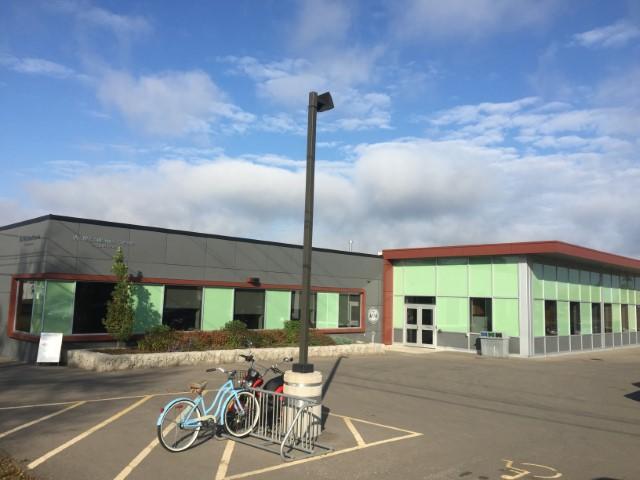
For raw land or sites with future development in mind, look for commercial land appraisers Dufferin County planners and lawyers already know. Their familiarity with the county’s planning files can shorten the learning curve. And when sorting out your annual tax load, remember that commercial property assessment Dufferin County data from MPAC serves a different purpose than a market value appraisal for a transaction.
Finally, not all commercial appraisal companies Dufferin County advertises will have the depth to handle litigation or expropriation. If that is in your path, vet for that capability explicitly.
The bottom line for buyers, owners, and lenders
A skilled appraiser does not eliminate uncertainty. They narrow it. In a county where each town and township brings a different mix of inventory and policy, that narrowing is worth real money. The best outcomes I have seen share a few habits: stakeholders define the problem early, provide complete documents, respect the appraiser’s independence, and use the narrative to adjust strategy, not to confirm a wish.
Dufferin County’s commercial market rewards that discipline. A small‑bay industrial purchase that closes at a financeable valuation sets up the business inside to invest in equipment, not legal wrangling. A development site acquired at a land value that reflects real servicing timelines protects the pro forma when the first dig takes longer than planned. A multi‑tenant asset underwritten against consistent market rent and cap rate evidence performs close to forecast even when the broader cycle wobbles.
That is the role of the commercial appraiser here. Illuminate the path, specify the risks, and help the parties transact with confidence.