The Role of Certified Commercial Building Appraisers in Huron County
Commercial real estate in Huron County rarely fits a one size template. A waterfront motel, a grain elevator, a multi tenant medical office, a wind turbine operations center, and a small town main street storefront each tell a different story, with different income patterns and different risks. Certified commercial building appraisers bring discipline to that complexity. They convert local market signals into defensible numbers that lenders, investors, courts, and municipalities can rely on. When a transaction, tax assessment, estate plan, or development approval depends on value, their work forms the backbone of the decision.
What certification really signals
Certification does more than satisfy a rule on a lender checklist. It tells you the appraiser follows recognized standards, invests in continuing education, and submits to oversight. In the United States, that typically means state certification aligned with USPAP, and many senior professionals carry designations such as MAI or CCIM. In Canada, provincial licensing aligns with CUSPAP, and many experienced practitioners hold AACI or CRA designations, with AACI being the commercial benchmark. Huron County property owners and lenders sit near the Lake Huron shoreline, which means some assignments straddle cross border capital or national firms. The particular credential matters less than the core elements behind it: ethics, methodology, and defensible reporting.
From a practical standpoint, certification affects speed and credibility. A certified appraiser can access industry sales databases, lender platforms, and recognized cost services. Their reports meet format and content standards that underwriters understand. When a value opinion faces scrutiny in a tax appeal or litigation, the combination of credential and work quality often determines whether the appraisal persuades.
Why Huron County demands local judgment
Market nuance weighs heavily in Huron County. It is not just about cap rates. It is about understanding why one marina based retail strip can carve out above typical occupancy every summer, while a similar strip ten miles inland struggles. It is about why the market will pay a premium for cold storage space with drive through truck access near a processing plant, or why a vintage downtown building with upper floor apartments warrants a different analysis than a highway pad with a national quick service tenant.
Local appraisers track these subtleties. They know the impact of seasonality on hospitality properties, the spread between contracted farm lease rates for ancillary building space and market rents, the cost to cure deferred maintenance in legacy industrial structures with older power service, and how modern building codes treat change of use. They follow county level planning documents, comprehend zoning overlays around hamlets and shoreline areas, and read the fine print in wind and solar lease agreements that can complicate site comparables.
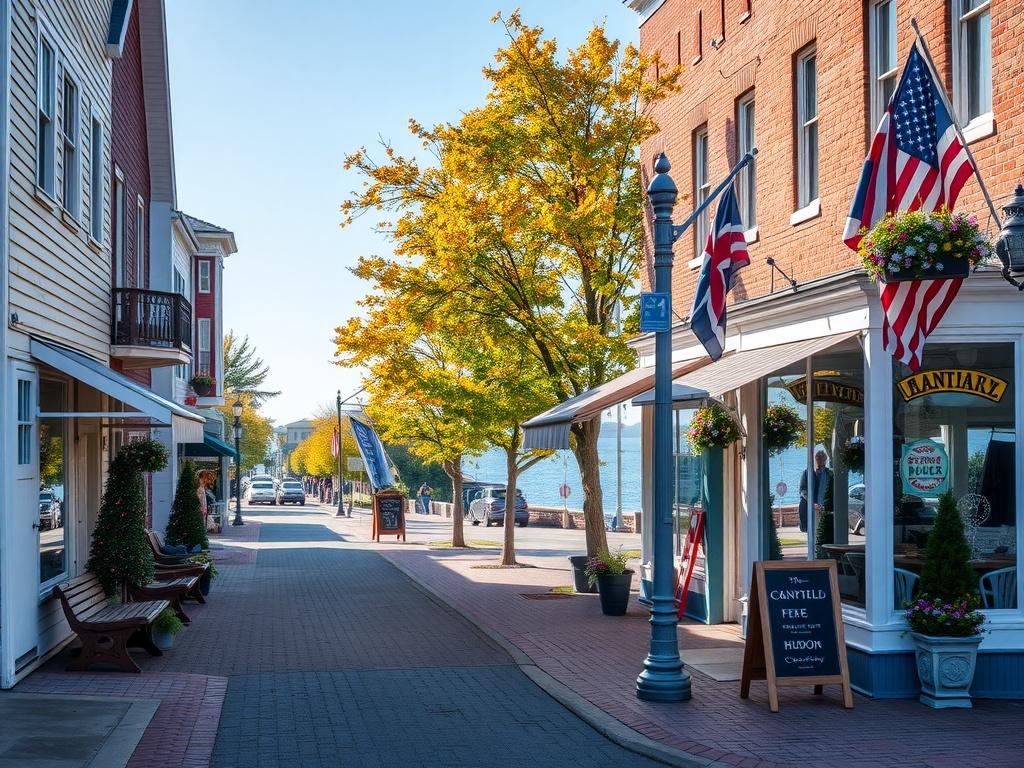
That lived knowledge shows up in small places throughout a report, such as a market supported vacancy assumption a point or two higher for older flex buildings with limited loading, or a thoughtful deduction for coastal setback risk in a waterfront redevelopment concept. None of these items look dramatic on their own. Together, they create realistic value.
The core assignment types that rely on certified expertise
Most people encounter commercial building appraisal in four broad contexts. The first is financing. Local banks and credit unions, as well as regional and national lenders, need independent value opinions to underwrite debt. A borrower refinancing a 24 unit mixed use property in Goderich or Bad Axe expects the appraiser to analyze income stability, tenant rollover, and expense patterns, not just shoot a sales comp average.
The second is purchase and sale. Buyers want to avoid overpaying for a light industrial condo or an office medical building, and sellers need to support a price in conversations with investors. In rural and tertiary markets like Huron County, where data is thinner, a certified appraiser builds comps from neighboring counties and reconciles them with local rent and absorption behavior.
The third is assessment and tax. Municipal assessors value property for taxation at scale. When an owner believes an assessment exceeds market reality, a certified commercial building appraiser can prepare a retrospective market value opinion, support a board of review appeal, and, if needed, testify. The key is knowing how the county applies assessment ratios, equalization factors, or phase in strategies, plus the types of evidence that have swayed past decisions.
The fourth is litigation and special situations. Divorce, partnership disputes, partial interest valuations, eminent domain, and insurance claims all surface in Huron County. A seasoned appraiser knows how to parse damages, isolate real property from business value, and meet evidentiary standards.
Inside the methods: income, sales, and cost
Every certified appraiser applies the three classic approaches, then reconciles them to a final opinion based on property type and data quality.
Income approach. For most income properties, the appraiser develops stabilized net operating income from market rents, typical vacancy, and market level expenses, then capitalizes it at a rate inferred from sales and investor surveys. In Huron County, tourism linked volatility, small tenant depth, and owner management can pull the cap rate up or down by a quarter to half a point. For example, a small highway motel with consistent summer occupancy and thin winter numbers demands a seasonal cash flow model, not a flat twelve month figure.
Sales comparison. The appraiser arrays recent sales on a per square foot or price per unit basis and adjusts for conditions of sale, location, age and condition, size, and economic characteristics like tenant quality. Rural industrial comparables in neighboring counties might need location adjustments that reflect freight patterns and labor availability. Waterfront retail often requires careful pairing to isolate the premium attributable to visibility and foot traffic during peak months.
Cost approach. Particularly useful for newer buildings, special purpose industrial plants, schools, or fire halls, this approach estimates land value and adds depreciated replacement cost of improvements. In a county with older stock, functional obsolescence matters. Outdated clear heights, insufficient power, or lack of air conditioned production spaces can drag effective utility, which depreciation must capture.
The art lies in reconciliation. An appraiser may weight the income approach at sixty percent for a stabilized medical office with seasoned tenants, the sales approach at thirty percent to cross check, and the cost approach lightly, mainly as a floor. For a specialty building with scarce rent data, the cost approach might carry more weight. The final opinion must read as a narrative that explains these choices, not as a math exercise.
Commercial land and the extra variables beneath the surface
Commercial land in Huron County brings its own issues. Certified commercial land appraisers untangle questions that do not show up on a satellite map. Access and frontage shape retail land value. Depth and topography influence industrial site usability. Proximity to utility infrastructure, especially three phase power, natural gas, and fiber, alters feasibility for certain users. Zoning may cap building height along the shore or require additional setbacks for environmental protection. Seasonal traffic counts and turning movement constraints at highway intersections can push or pull site desirability.
When a developer considers subdividing a larger tract, an appraiser tests absorption, carrying costs, and discount rates to estimate present value of lot sales. On agricultural edges, the presence of tile drainage or easements may affect market participants. And for wind or solar adjacent parcels, the appraiser evaluates any documented impact on neighboring land values, using paired sales analysis and interviews, rather than speculation.
Data scarcity and how professionals overcome it
Tertiary markets always battle thinner data. Comparable sales exist, just not always next door. Certified appraisers widen the search radius, time adjust with caution, and interview brokers and participants to understand deal terms beyond the recorded price. They triangulate from multiple sources, for example, pairing a leased fee sale to derive an implied market rent, then cross checking it against new lease signings or renewal anecdotes. They rely on cost services for construction pricing, then temper those figures with local contractor bids and supply chain realities.
One effective technique in Huron County is rent segmentation. Instead of assuming one market rent per building type, the appraiser separates rents by visibility, loading type, clear height, and office finish percentage. Another is seasonality normalization for hospitality and certain retail, which converts peak season rents into an annualized figure rooted in actual occupancy patterns. None of this is guesswork. It is disciplined interpretation.
Special use properties, from marinas to cold storage
Two properties that look similar on paper can diverge completely in value due to operational nuance. Take a marina with mixed revenue from slip rentals, winter storage, fuel sales, and a service bay. A certified appraiser must separate real property value from business enterprise value. The slips and docks are real estate, the fuel and service components often trend toward business value. Misallocating those revenues inflates or deflates the real property value. Likewise, a cold storage building with modern refrigeration and dock levelers commands different rents than a standard warehouse. Power reliability, floor flatness, insulation R values, and ceiling height all matter to the tenant base.
The same principle applies to older downtown buildings. If upper floors were converted to apartments with independent egress and modern systems, the income profile shifts. Vacancy risk, operating expenses, and capital expenditure needs change. Certified appraisers capture those differences with a careful look at leases, rent rolls, and building systems, then with market supported adjustments.
Environmental, building systems, and code reality
Environmental issues and building systems can swing value by large percentages. A Phase I environmental site assessment might note a former underground storage tank, dry cleaning activities, or historical fill near the shoreline. Until a Phase II answers the real risk, lenders discount, buyers hesitate, and appraisers reflect that uncertainty. Roof condition, HVAC age, and electrical capacity go beyond maintenance trivia. In an industrial setting, upgrading to higher service amperage, adding make up air, or replacing a membrane roof with R value improvements can cost six figures. The market responds. Certified appraisers quantify that response with cost to cure estimates and interview supported buyer behavior.
Code compliance and change of use drive feasibility. Converting a warehouse to an event venue or an office to a clinic invokes accessibility and life safety requirements. The appraiser studies permit history and talks with local officials to avoid assuming a hypothetical ready to use space that would require substantial investment.
The path from engagement to defended value
Here is a concise view of how a strong commercial building appraisal unfolds in practice, whether for a sale, loan, or commercial property assessment in Huron County.
- Define the problem, including property rights appraised, intended use, value type, effective date, and any hypothetical conditions.
- Collect and verify data, from legal descriptions and surveys to leases, income statements, and prior appraisals. Inspect the property, photograph thoroughly, and note systems and condition.
- Analyze the market, assembling comparable sales, listings, and rents, confirming details with brokers, owners, and public records, and identifying trends that matter for the subject.
- Apply the approaches to value, choosing methods suited to the property, developing supportable adjustments and capitalization rates, and testing sensitivity where inputs carry uncertainty.
- Reconcile and report, explaining how the approaches informed the final opinion and why it fits the weight of the evidence, then delivering a clear report that matches the client’s format needs.
That process sounds simple written out, and it is rigorous in motion. The report stands or falls on verification. A price on a deed tells only part of the story. Concessions, tenant improvements, or sale leaseback structures can distort the face value. The certified appraiser separates signal from noise.
Working with lenders, attorneys, and assessors
Commercial appraisal companies in Huron County serve an ecosystem, not just an end client. Lenders need confidence that the collateral supports loan terms and that the report conforms to internal and regulatory guidelines. Attorneys want opinions that hold up under cross examination. Assessors benefit from market perspectives that either support or challenge mass appraisal outputs in a focused way. A good appraiser adjusts communication style accordingly. For bank work, concise summaries and clearly indexed exhibits speed underwriting. For dispute work, transparent sources and a tight chain of reasoning matter most.
In a tax appeal, for example, the appraiser might prepare a retrospective value opinion for January 1 of the prior year. That requires market evidence from around that date, not from a more favorable market six months later. The appraiser also must express value as the statute defines it, which in some jurisdictions is market value as of the assessment date and in others incorporates equalization rules. Precision on such points is not pedantry. It is the difference between a persuasive argument and a polite denial.
Market movement to watch, and how it filters into value
Huron County sits at the junction of several currents. Logistics costs and reshoring have increased interest in smaller scale manufacturing and assembly closer to the end customer. That can lift demand for certain industrial spaces, especially those with highway access and adequate power. At the same time, labor availability and training resources shape where tenants choose to locate, which affects rent levels and absorption timelines.
Hospitality properties tied to lakeshore recreation feel the tug of fuel prices, short term rental https://judahilci135.iamarrows.com/feasibility-studies-with-commercial-land-appraisers-in-huron-county alternatives, and demographic shifts. Some seasons overshoot expectations, others soften. Certified appraisers filter the noise by studying multi year performance, not just one hot or cold season.
Retail continues to reconfigure. The strongest tenants increasingly prefer smaller footprints with curbside friendly access, while service based uses fill many main street spaces. That favors flexible floor plans and off street parking. Appraisers who understand tenant demand patterns can credibly support rental rate differentials within the same town.
Land values respond to infrastructure. Even small changes matter. A modest natural gas line extension or improvements to a county road can unlock a site for a specific use. Conversely, stricter stormwater requirements or rising construction costs can narrow feasible projects. Appraisals reflect feasibility, not fantasy. If a pro forma does not pencil because construction hard costs have climbed 15 to 25 percent over a recent period, the appraiser cannot justify the price based on yesterday’s economics.
What quality looks like on the page
Owners and lenders sometimes judge an appraisal by its page count or the gloss of its photos. The better test rests on content. A high quality report for a commercial building appraisal in Huron County reads as if the appraiser has walked the site, spoken with people who matter, and understands why the property earns what it earns. The market analysis section should feel rooted in local facts. The adjustment grids should make sense to a practitioner who knows buildings, not just spreadsheets. Assumptions should be explicit. Effective dates should be obvious. Extraordinary assumptions and hypothetical conditions should be rare and well justified.
I have seen thin reports with excellent reasoning carry the day, and thick reports that collapse under questioning. Depth matters, but clarity wins.
Choosing the right professional for the assignment
Selecting among commercial building appraisers in Huron County does not need to be guesswork. Use a brief, pointed set of checks and conversations to separate fit from mismatch.
- Verify certification and relevant designations, and confirm active standing.
- Ask for sample redacted reports of similar property types in adjacent markets if necessary.
- Discuss local experience, including familiarity with the specific municipality and zoning context.
- Confirm turn time and capacity, and whether the principal will inspect and sign the report.
- Outline intended use and stakeholders, then gauge the appraiser’s comfort with that audience, whether it is a bank, court, or tax board.
Price matters, though it should not drive selection in isolation. A lower fee paired with an extra three weeks of turn time can cost a buyer a contract window. A higher fee for an appraiser who lacks the right property type experience can be false economy. Match the assignment to the skill set and bandwidth.
When land and buildings mix: development and adaptive reuse
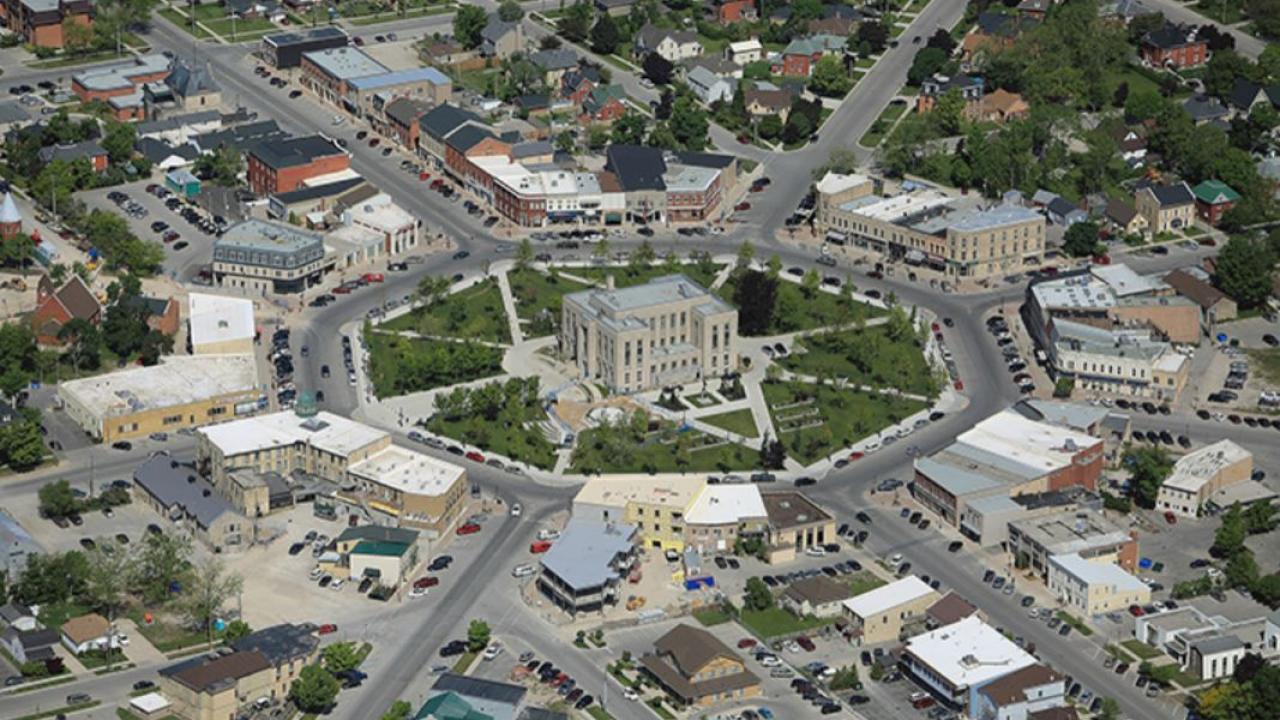
In many Huron County towns, the best projects transform existing structures rather than build on blank land. Turning a retired industrial building into flex space or a school into professional offices requires both creativity and caution. The appraiser evaluates as is value, as if complete value, and often an as if stabilized value, while testing the risk that leasing or sales take longer than the pro forma assumes. Construction cost overruns, lease up incentives, and lender reserves must enter the analysis. For example, if the plan includes carving 40,000 square feet into four bays, each with separate utilities and grade level access, the cost per square foot to demis may surprise. The appraisal should include a realistic cost to cure and then a supported rent for the newly created space.
Adaptive reuse also touches code. Change of use can trigger sprinklers, accessibility improvements, and structural reinforcement. An appraiser who misses that will overstate value. One who overstuffs the analysis with hypothetical redevelopment without evidence of demand will create false hope. The middle ground is tight: value options the market can absorb, not the ones that look good in a binder.
How commercial appraisal companies structure service in a rural county
Commercial appraisal companies in Huron County often run lean and collaborative. A senior appraiser leads fieldwork and analysis, with research assistants pulling sales and rent comps across multiple counties. They invest in relationships with local brokers, contractors, and municipal staff. Turn times vary with complexity. A simple owner occupied office may take one to two weeks from inspection to draft. A hospitality property or complex industrial could require three to five weeks, particularly if environmental questions surface or if additional market interviews are needed.
These firms manage confidentiality carefully. In small markets, everyone knows everyone. Appraisers adopt strict protocols about what can be shared and with whom. That trust is one reason lenders and attorneys return to the same firms. Another is candor. If the data is thin and the margin of error wider than usual, a reputable appraiser explains that upfront, then designs a scope of work that still meets the client’s need.

The bottom line for owners, lenders, and communities
Sound valuation underpins healthy markets. When a bank relies on a well supported appraisal, it can lend confidently without stretching. When an owner appeals an assessment based on robust market evidence, taxes align more closely with reality. When a developer and a town agree on the real economics of a project, incentives and approvals make sense. Certified commercial building appraisers in Huron County contribute to that equilibrium every week, quietly. They do it by walking properties, asking hard questions, testing assumptions against what participants actually pay, and documenting their work in a way that stands up to scrutiny.
If you own or finance property in the area and need to benchmark value, start with a clear scope and a professional who knows the ground. Whether the assignment centers on a commercial property assessment in Huron County, a refinance of a mixed use building, an opinion of value for litigation, or pricing for a waterfront retail parcel, the right expertise will save money and time. The work is not flashy. It is careful, local, and deeply practical, which is exactly what the market needs.
Finally, remember that the appraiser’s job is not to hit a target number. It is to tell the truth about a specific asset in a specific market at a specific time. The best commercial appraisal companies in Huron County have built their reputations on that discipline. It shows up in the details, in the phone calls they make to verify a rent, in the adjustments they defend with evidence, and in the steady way they hold to standards even when pressure mounts. For owners, lenders, and communities, that steadiness is worth more than any single valuation.