Preparing for a Commercial Real Estate Appraisal in Huron County
A sound appraisal does more than satisfy a lender’s checkbox. It protects capital, reduces surprises after closing, and anchors negotiations in facts. In Huron County, Ontario, the process has its own rhythms shaped by small‑market liquidity, agricultural ties, lakeshore seasonality, and municipal planning rules that can be stricter than many owners expect. I have seen clean deals stall for weeks because one missing lease schedule hid a rent abatement, and I have also seen six figures added to value because an overlooked second‑floor vacancy could be legally converted to residential. Preparation decides which way you go.
This guide distills practical steps to get ready for a commercial real estate appraisal Huron County owners can rely on, whether you are financing, selling, appealing assessment, or settling an estate. It also touches on how commercial appraisal services Huron County lenders and investors expect will treat different property types, from main street retail in Goderich to ag‑industrial in Exeter and hospitality on the Lake Huron shoreline.
What makes Huron County different from a valuation standpoint
In larger cities, the market usually offers abundant comparable sales and deep leasing evidence. In Huron County, data is thinner and spreads are wider. Many buildings are owner‑occupied, lease terms can be idiosyncratic, and a single sale can swing local expectations for months. The lakeside communities introduce seasonality, particularly for hospitality, food service, and specialty retail. Inland, agricultural services, light manufacturing, logistics tied to Highway 4 and 8, and contractor yards dominate. These sectors behave differently across cycles.
On the policy side, Huron County’s lower‑tier municipalities enforce zoning and building codes that significantly shape highest and best use. Goderich’s heritage overlays, Bayfield’s character policies, and septic requirements outside serviced areas all affect potential reconfiguration. An experienced commercial appraiser Huron County owners engage will factor these local rules into the analysis early, not as an afterthought.
Who relies on the appraisal and why that matters to you
The intended user sets the tone. A term sheet from a Schedule I bank, a credit union refinance, a private lender at a higher rate, or a court proceeding will each demand a different level of conservatism and documentation. For lenders, covenant strength, lease rollover exposure, and debt service coverage play central roles. For litigation or expropriation, the chain of evidence, market support, and strict adherence to CUSPAP become paramount.
If you are pursuing a commercial property appraisal Huron County assessors may see later in an assessment appeal, the report should address assessment methodology and any mass appraisal disconnects. If you are reporting fair value for IFRS or ASPE, the scope might require sensitivity analysis and market participant assumptions explicit in the body of the report. Tell your appraiser the real purpose. It changes the research and can save painful rework.
Appraisal frameworks that govern the work
In Ontario, commercial appraisal services Huron County stakeholders accept are typically completed by AIC‑designated appraisers, AACI for full commercial scope. CUSPAP provides the ethical and methodological framework. Most lender panels also require error and omissions insurance and specific certifications addressing reliance, assumptions, and exposure time. Across the board, the three approaches to value apply where relevant and credible:
- Direct comparison looks at sales of similar properties, adjusted for differences like building quality, size, age, condition, location, and market conditions.
- Income capitalization relies on market rents, stabilized vacancy and credit loss, normalized operating expenses, reserves, and a capitalization rate that reflects risk, growth, and liquidity.
- Cost approach, often a secondary check, estimates replacement or reproduction cost new less depreciation, then adds land value. Useful for special‑purpose assets or very new builds.
In Huron County, the income and comparison approaches often carry the most weight for multi‑tenant and investment assets. For single‑tenant owner‑occupied properties, especially specialized ag‑industrial or contractor yards, the cost approach can provide a sanity check when comparable sales are sparse.
The documents that accelerate a clean, defensible value
You can shave days off the timeline and improve credibility by delivering a complete package on day one. Here is the short list that matters most to a commercial appraiser Huron County lenders will trust:
- Current rent roll with lease start and expiry, options, area by suite, rent steps, and additional rent structure
- Full copies of all leases and material amendments, including any side letters or inducements
- Operating statements for the last two fiscal years and year‑to‑date, plus a breakdown of utilities, insurance, maintenance, management fees, and property taxes
- Evidence of recent capital expenditures, contractor invoices, warranties, and a summary of remaining useful life for roof, HVAC, paving, and major systems
- Site plan, building drawings if available, legal survey, environmental reports, appraisal history if any, MPAC assessment notice, latest tax bill, and a zoning compliance letter or by‑law reference
If you have vendor take‑back financing, conditional sales, or related‑party leases, flag them upfront. For hospitality or seasonal businesses, provide monthly revenue splits, occupancy rates, and ADR where relevant. For agricultural service or processing facilities, describe specialized improvements such as grain handling, refrigeration, three‑phase power, washdown areas, or biosecurity features. This helps the appraiser calibrate replacement cost, functional utility, and risk.
What happens during the site visit and why it matters
A thorough inspection confirms what the paperwork suggests and often reveals what it does not. Expect photographs of exterior elevations, roof and mechanical where safely accessible, parking areas, loading docks, and interior representative suites. In multi‑tenant properties, an appraiser will usually walk through common areas and a sample of occupied and vacant units. For industrial, clear height, bay spacing, door sizes, crane capacity, and yard functionality are key measurements. For retail, frontage, ceiling height, visibility, signage rights, and proximity to anchors all feed into market rent and capitalization.
Coordinate access with tenants in advance and confirm any safety protocols. Many agricultural or processing sites require PPE and a quick orientation. If certain areas are off limits during production, plan a follow‑up window. Missed spaces can delay your report and create caveats that make lenders nervous.
Making sense of rent in thin markets
Huron County has many owner‑occupied buildings and older leases that lag current economics. I commonly see base rent on main street retail ranging from the low teens to the high teens per square foot on a net basis, with significant spreads based on condition, parking, and tourist traffic. Shadow anchors or strong draws, like a grocery, can lift small‑bay rents even on the second row.
Industrial leases vary widely with finish ratio and logistics. Small‑bay flex with 20 percent office may sit in the low to mid teens net, while more specialized or new construction can push higher. Vacancies tend to be sticky when suites do not fit local demand, which is why suite size and layout carry extra weight.
When the rent roll shows above‑market rates under related‑party arrangements, or staggered concessions, an appraiser will normalize to market for valuation. That can feel conservative, but lenders and auditors depend on market rent to remove distortions. Be prepared to justify any outsized numbers with evidence like recent arms‑length deals in the same block, not just aspirational asking rents.
Expenses, reimbursements, and the small line items that move value
Net leases in small markets are often net in name only. Many omit administration fees, management recoveries, or capital reserve provisions. Others cap controllable costs or carve out snow removal. The appraisal will rebuild a pro forma using actuals, then layer in what a typical investor would expect to pass through. Two points matter here. First, property taxes in Huron County can be a larger share of operating costs than owners in bigger cities expect, especially for older buildings with lower energy efficiency. Second, professional management, even part‑time, should be in the model, usually 3 to 5 percent of effective gross income. If your current setup undercharges for management or ignores reserves for roof and HVAC, normalized expenses will rise, which affects net operating income and value.
Capitalization rates and sales in a county where one trade can sway sentiment
Cap rates in smaller Ontario markets tend to be higher than in major metros, reflecting liquidity risk and limited buyer pools. For stabilized main street retail in Goderich or Exeter with decent covenant and limited rollover risk, I commonly see a range that might bracket the mid to high 6s into the 7s, depending on tenancy and condition, occasionally tighter for exceptional assets. Multi‑tenant industrial often trades in a similar band, with functionally obsolete space pushing higher. Owner‑occupied buildings valued on a sale‑leaseback basis can land lower if structured with strong covenants and long terms.
The pool of verified sales in Huron County is modest in any given year, so credible comparison often requires expanding the search to adjacent markets with similar economic drivers, then adjusting for location and demand depth. An experienced commercial appraisal Huron County practice will present how they bridged the evidence gap and defend the selected rate with qualitative and quantitative support.
Highest and best use questions that change numbers
A surprising number of commercial buildings in Huron County carry second‑floor areas that could be converted to residential. Zoning, egress, ceiling heights, and parking determine feasibility. Where conversion is practical, the incremental value can be real, and lenders want to see the appraiser address it, even if the report concludes it is not financially optimal today. Similarly, older industrial on deep lots sometimes offers surplus land that can be severed or expanded upon, changing residual land value assumptions. On the lakeshore, seasonal restrictions and septic capacity can cap coverage and limit expansion dreams. Getting a zoning compliance letter or confirming with the planning department early prevents wishful thinking from creeping into the valuation.
Environmental, building systems, and what risk really means
Phase I environmental site assessments are common lender requirements. Even for seemingly benign uses, historical aerials and fire insurance maps can surprise you with former service stations, dry cleaners, or fill sites. If a Phase I flags concerns, expect the appraisal to include hypothetical conditions or extraordinary assumptions, which can spook a credit committee. Better to order environmental work in parallel with the appraisal and share the report directly.
Roof age, HVAC condition, and electrical capacity move numbers two ways. First, they set near‑term capital needs that may be accounted for as reserves. Second, they make space more or less marketable to the tenant base. A 200‑amp single‑phase main in an industrial unit will choke many users and drag rent potential. Conversely, a recently replaced 30‑ton RTU with a 10‑year warranty supports stronger underwriting. Bring receipts, service logs, and dates to the site visit.
Special property types seen across the county
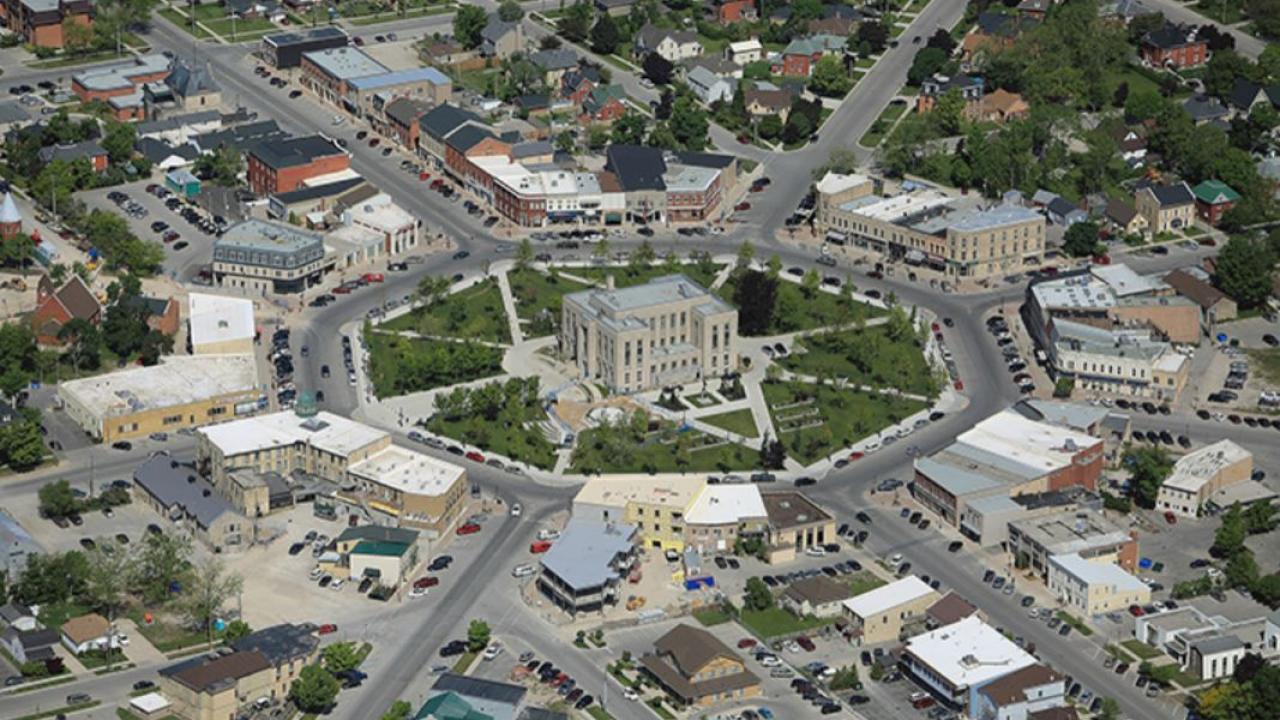
Main street retail and mixed‑use in towns like Goderich, Exeter, and Clinton thrive on visibility and consistent local trade. Vacancy can be stubborn if a unit is too deep, lacks rear access, or suffers from poor natural light. Façade improvements and signage rights can punch above their weight in rent negotiations.
Hospitality and tourism along the Lake Huron shoreline operate on peaks and shoulder seasons. Valuations lean on stabilized income, not just high‑season cash flow. If short‑term rental or seasonal concessions intersect with commercial components, disclose them clearly. A restaurant with a patio that seats 60 in July but 0 in February needs a revenue profile that captures reality.
Ag‑industrial and contractor yards are functional assets. Yard surface, circulation, turning radii, and security matter more than curb appeal. Buyers for these properties often come from within the trades, so local demand is relatively inelastic. Comparable evidence may come from neighboring counties with similar ag footprints.
Office in Huron County is a smaller slice of the pie. Medical and professional services often lead demand, and ground‑floor accessibility can outweigh upper‑floor charm. Break up larger floor plates where feasible, since small suites lease faster.
How to set scope, timing, and fees without guesswork
The fastest closings I have been a part of started with a clear brief. Scope creep and missing documents derail timelines more than anything else. Here is a simple sequence that keeps momentum with any commercial appraisal Huron County assignment:
- Share the purpose, property type, and any lender requirements, along with a draft rent roll and operating statement, before you ask for a quote
- Confirm the report format, reliance language, and any third‑party reliance letters your lender or auditor will require
- Schedule the inspection as soon as engagement is signed and provide one point of contact for keys and access to mechanical rooms and roof ladders
- Deliver all leases, amendments, and financials within 48 hours of engagement, not piecemeal over two weeks
- Set a check‑in call midway to resolve open questions so the draft can land cleanly
For a typical single‑tenant commercial property appraisal Huron County owners order for financing, expect about 1 to 2 weeks from inspection to delivery if documents are complete. Multi‑tenant or special‑purpose assets may take 2 to 3 weeks. Fees vary with complexity. A straightforward small commercial building might sit in the low to mid four figures. Larger multi‑tenant, hospitality, or properties requiring extensive market rent studies, sensitivity analysis, or travel time can move higher. If you need rush service, ask early, since rural travel and tenant coordination can be the limiting factor, not just desk time.
Working productively with your appraiser
Treat your appraiser like a partner, not an adversary. A professional commercial appraiser Huron County lenders respect will ask tougher questions where the file is thin. That helps you, not hurts you. When you disagree with a rent conclusion or cap rate, bring evidence. A signed lease two doors down at a certain rate, a letter from the township clarifying a parking waiver, or a recent sale with its MLS history are all useful. Vague assertions are not.
If you are the buyer and do not control the documents, stay close to the listing broker and the seller to speed up releases. Most delays trace back to waiting on a signed lease or a missing Schedule B that sets out a critical termination right.
What to do when you receive the draft report
Read the assumptions and limiting conditions first. If the report hangs value on a hypothetical condition, like successful rezoning, confirm your lender accepts that risk. Check gross building area, site size, and unit mix against your understanding. Area disputes are common, particularly where mezzanines or unpermitted buildouts exist.
Look at the market rent grid and expense normalization lines. If something seems off, point to specific evidence. Provide the missing invoice or a new lease comp promptly. Most appraisers will consider credible new data before finalizing, but they will not re‑engineer the report based on preferences.
Finally, confirm reliance and intended users match what you need. Adding a reliance party after issuance can take time and, with some firms, an administrative fee. If your deal involves a purchaser, seller, and lender all needing reliance, set that up at engagement.
Common pitfalls that erode value or slow the file
Two stand out in Huron County. First, informal deals and handshake arrangements are still common, especially with friends or long‑standing tenants. They rarely translate well to credit committees. Document reality. If the base rent is $15 with a handshake promise to hold for a year, you have a $15 lease, not a $17 aspiration.
Second, zoning and septic. Rural commercial sites with private services face real constraints. A retail unit’s capacity for a food use can hinge on wastewater limits. Parking requirements can force you to trade GFA for compliance. These conditions cut both ways. A conforming site with room to intensify is more valuable than one boxed in by services.
A quieter pitfall is relying on out‑of‑market cap rates without adjusting for liquidity. A 6.25 percent cap from a busy node in Kitchener does not transport neatly to a single‑tenant building in a smaller Huron County village with a thin buyer pool.
When a review or second opinion helps
Not every assignment proceeds smoothly. If your appraiser missed local nuances or a lender’s reviewer pushed back, a formal appraisal review by another AACI can pinpoint issues quickly. Sometimes the right move is a limited update after new leases are executed or capital projects are completed. Other times, you https://titusvywm496.capitaljays.com/posts/commercial-property-assessment-huron-county-what-lenders-expect need a full rework. In disputes, clarity on definition of value, date, and scope often resolves more than arguing over 25 basis points on a cap rate.
The value of local relationships and market memory
Numbers matter, but so does context. A commercial real estate appraisal Huron County investors trust takes into account who the active buyers are, which assets have sat, and which landlords invest in their buildings. A main street block that has quietly improved over three years deserves a sharper view than a static snapshot suggests. When your appraiser knows the local brokerage community, planners, and lenders, you benefit from that market memory. It informs selections in the sales grid, rent comps, and capitalization rates in a way a generic model cannot.
Bringing it all together
Preparation determines whether your appraisal serves as a springboard or a speed bump. Start by clarifying purpose and scope. Assemble complete documents, not fragments. Coordinate access and safety. Be ready to discuss rent normalization, expense recoveries, and capital needs with receipts and schedules. Expect the appraiser to consider highest and best use questions around second‑floor conversions, surplus land, and service constraints. For properties with environmental or structural considerations, run those reports in parallel so the appraisal does not carry conditions that stall financing.
When you engage commercial appraisal services Huron County professionals offer, ask about their experience with your property type and municipality. Share your thesis, then let the evidence drive the result. The best outcomes I see happen when owners and appraisers are candid with one another, respect the process, and lean on local knowledge. That is how you turn valuation from a hurdle into a tool, and how you put a number on the page that withstands scrutiny long after closing day.