Multifamily Metrics: Commercial Property Appraisal Huron County Essentials
Multifamily in Huron County tends to live in the middle ground between big‑city liquidity and small‑town pragmatism. You do not get the depth of institutional buyers you see in Toronto, Detroit, or Cleveland, yet you do get durable tenant demand from healthcare workers, teachers, tradespeople, and hospitality staff. Shoreline tourism, agriculture, and light industry create an occupancy floor most years, while seasonality, aging stock, and limited transaction volume complicate the valuation picture. Appraising multifamily in a county like this is not a copy‑paste exercise from urban templates. It takes careful reading of rent rolls, a grounded view of operating costs, and judgment about what investors actually accept as risk in a rural or secondary market.
What follows is a practical guide to the metrics and methods that matter for a commercial real estate appraisal Huron County investors can rely on. Whether you are engaging a commercial appraiser Huron County based or commissioning commercial appraisal services Huron County property owners often need during refinancing or estate planning, the same fundamentals apply.
Why multifamily behaves differently in Huron County
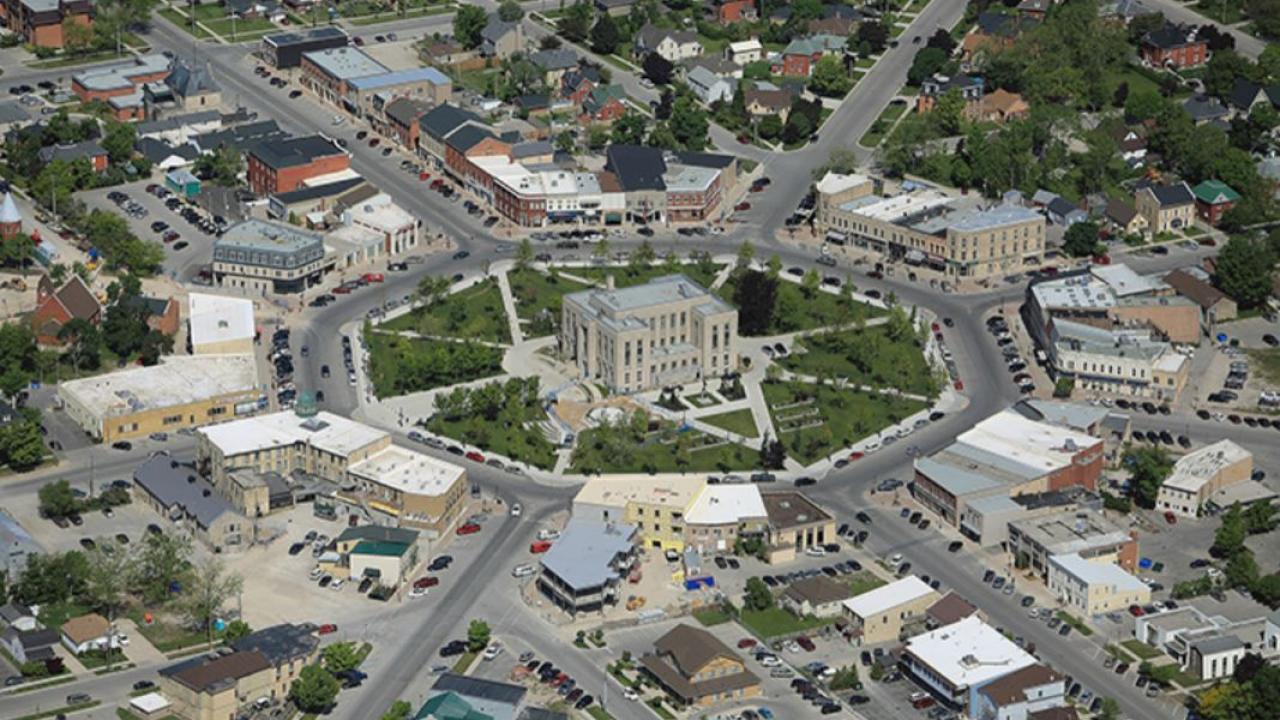
Population is spread among small towns and rural townships. That means two things for valuation. First, comparable sales are sparse, so a sales grid benefits from a longer lookback and wider geography, which introduces more adjustments and more uncertainty. Second, investor pools are thinner, which can push cap rates higher than in nearby metros and stretch average marketing times. On the other hand, rents do not crash when downtown Class A towers offer two months free, because there are not many of those anchors nearby.
In a recent refinance I advised on, a 24‑unit garden complex near a regional hospital showed only two rent concessions over 36 months, both tied to winter move‑ins during a heavy snow season. That tells you something about the stickiness of demand, and it aligns with what many owners see across the county: less churn than urban submarkets, but more sensitivity to heating costs, parking availability, and unit condition.
Income is the engine: build EGI and NOI carefully
Everything in a commercial property appraisal Huron County context starts with income reliability. The direct capitalization approach will often carry the most weight for stabilized assets. That makes the path from scheduled rent to effective gross income, then to net operating income, the core of the appraisal.
Rents. Confirm unit mix, lease terms, and any short‑term or furnished premiums. In lake‑adjacent towns, summer premiums sometimes mask soft winter occupancy. A trailing 12 broken out by month often reveals the pattern. Where properties charge separate fees for garages, storage, pet rent, or in‑unit laundry, keep those separate from base rent in your analysis so you can benchmark apples to apples.
Economic vs physical occupancy. Physical occupancy at 96 percent with two non‑paying tenants is not 96 percent economic occupancy. I have seen properties with high physical occupancy but 4 to 6 percent bad debt during a winter spike in utility costs. The cure is not wishful underwriting. Adjust to collected rent and show the math.
Loss to lease. In rent‑constrained jurisdictions, legacy tenants can lag market rent by 5 to 20 percent. The delta is real, but if turnover is low or renovation budgets are thin, it can take years to capture. I often model a stabilized scenario for investor context, then conclude value on in‑place economics if the probability and timing of capturing the loss to lease are uncertain.
Other income. Parking, RUBS or utility billbacks, laundry, and storage matter more in lower rent environments because they punch above their weight on a percentage basis. A property earning 45 dollars per unit per month in other income adds more than 12,000 dollars a year on a 24‑unit asset, which capitalized at rural cap rates can swing value by six figures.
Vacancy and collection loss. Countywide stabilized vacancy may trend in the low to mid single digits, but appraisers should avoid a flat vacancy factor without regard to submarket and asset condition. A well‑managed 1980s complex with consistent maintenance might warrant 4 to 5 percent. A property with dated plumbing and frequent unit turns might need 7 to 8 percent to reflect downtime and credit loss.
Operating expenses. The temptation in smaller markets is to accept pro forma expenses that include heroic owner labor assumptions. Lenders and sophisticated buyers normalize. Insurance has jumped materially for many operators since 2022, sometimes by double digits year over year. Property taxes require particular care. In several Huron County jurisdictions, assessed value resets or phases in after sale. A commercial appraiser Huron County owners trust will model taxes on the appraised value or a reasoned percentage of that value, not on the seller’s prior bill.
Capex reserves vs repairs and maintenance. A property that shows 400 dollars per unit per year in R&M but no reserve is not at a durable run rate. For garden‑style assets with pitched roofs and surface parking, I often underwrite 250 to 350 dollars per unit per year in capital reserves, adding more for boiler systems, flat roofs, or older cast iron stacks.
Utilities. Heat type is not a footnote. Electric baseboard shifts costs to tenants but can suppress winter leasing if units are poorly insulated. Central gas heat paid by the owner reduces tenant burden but increases the owner’s volatility and may justify a slightly higher reserve. Submetered water typically lowers owner expense but can raise collection complexity. The rent roll should reflect utility responsibilities for each unit type to avoid blended assumptions that do not exist.
Putting it together, the target is a defensible net operating income. If a 20‑unit has 16,800 dollars average annual rent per unit, 4 percent vacancy and collection loss, 225 dollars per unit per month in other income, 5,400 dollars per unit per year in total expenses including reserves and admin, and normalized taxes, the implied NOI should tie back to bankable reality. That reality is what drives value in a commercial appraisal Huron County lenders will accept.
Cap rates and risk spreads in a thin market
Cap rates embed investor expectations for growth, risk, liquidity, and alternative returns. In Huron County, with fewer transactions and slower re‑trade velocity, cap rates tend to be wider than in nearby metros. The spread over high‑quality metro garden assets can be 75 to 200 basis points depending on age, size, and tenant profile. I am cautious with deterministic statements in a market with limited comps, so I typically triangulate:
- Extract cap rates from Huron County sales over the prior 24 to 36 months, adjusting for trailing NOI vs pro forma and tax reset effects.
- Bring in comps from adjacent counties with similar town size and economic drivers, then adjust for location demand and liquidity.
- Cross‑check with investor surveys that break out secondary and tertiary market expectations, recognizing those surveys often skew toward larger deal sizes.
- Test a band‑of‑investment build‑up using prevailing debt terms, including realistic loan‑to‑value and debt service coverage requirements.
- Reconcile with price‑per‑unit indications from sales that have opaque income disclosure, making sure not to double count the same sales data.
When debt costs sit at 6 to 7 percent for typical amortizing loans and lenders ask for a DSCR between 1.20 and 1.35, cap rates below the interest rate require a story buyers believe, usually stronger growth, superior condition, or irreplaceable location. Most local investors underwrite on actuals, not rosy pro formas. That shapes the cap rate they are willing to accept.
Sales comparison still matters, but adjustments carry more weight
The sales approach in a commercial property appraisal Huron County owners review is often constrained by data. Closed transactions may not report clean income numbers, and out‑of‑county comps bring different rent levels and taxes. Even so, price per unit and price per square foot provide a reality check. Key adjustments typically include:
Age and condition. A 1974 building with original plumbing and piecemeal window replacements is not the same as a 2003 complex with vinyl‑clad windows, 100‑amp service, and modern insulation. I frequently pair a qualitative narrative with quantitative adjustments so readers understand why a 15 percent condition adjustment is warranted.
Unit mix. Townhouse‑style two‑bedroom units carry different demand than micro one‑bedrooms. If a comp is heavy on large two‑bedrooms with private entries and the subject concentrates on smaller ones up walk units, you will often see a price per unit delta even before you talk about amenities.
Parking and storage. Surface ratios below one stall per unit cause friction in winter. Covered parking, even a simple carport, pushes rent and lowers turnover in snow belts. Storage lockers can tip decisions for tradespeople and seasonal workers.
Income verification. In some sales, buyers accepted broker‑provided pro formas that assumed aggressive rent creep. If your subject market has shown flat rents in winter and only modest growth in summer, it is fair to scale back the comp’s implied cap rate or to treat it as a price per unit check rather than an income‑reliable sale.
The most credible reconciliations explain how the sales approach bookends the income approach, acknowledging where data thinness limits precision.
The cost approach has a role, especially for newer builds and mixed‑use
Many appraisers downplay the cost approach for older multifamily. That is sensible when depreciation estimates turn into guesswork. In Huron County, however, the cost approach can anchor value for newer assets, for rural fourplex clusters, or for mixed‑use properties on Main Streets where first‑floor retail sits under apartments.
Replacement cost new provides two benefits. It highlights external obsolescence when market rents do not justify new construction, and it gives lenders comfort when land sales and recent build costs are well documented. I have used the cost approach to caution an owner against over‑capitalizing a 1970s property where rents could not support the planned façade upgrade and amenity package. The math saved a six‑figure mistake.
What lenders and buyers really ask for
Appraisers do not work in a vacuum. Lenders and buyers want the same thing: risk translated into numbers they can use. Three items come up on nearly every engagement in the county:
Debt service coverage and break‑even. Lenders typically require DSCR of at least 1.20 to 1.30 based on underwritten NOI and their view of stabilized expenses. They also want to know the break‑even occupancy. If the property must run at 87 percent economic occupancy just to cover debt and fixed expenses, a weak winter leasing season becomes a material risk.
Tax forecasting. Many deals are tripped up by property taxes. Appraisals that assume a simple carry‑forward of prior year taxes ignore reassessment mechanics. A credible commercial real estate appraisal Huron County banks will rely on models taxes off the appraised value or uses stated assessor methodology and millage rates, spelled out so the reader can replicate.
Sensitivity analysis. I often add a quick look at how value shifts if cap rates widen 50 basis points, if taxes rise 10 percent, or if rent growth stalls for a year. In a market with thinner buyer pools, those sensitivities matter.
Due diligence details that move value
Small operational details can have outsized effects in rural and secondary markets. Over time I have learned to slow down in a few areas:
Boiler and roof life. Moving from two aging boilers to individual furnaces changes the expense line and reserve needs, but it also changes unit heat control and tenant satisfaction. Flat roofs near the lake take a beating. If a roof is within five years of end of life, I build that capital need into the reserve or comment on near‑term renovation risk.
Septic and well. In outlying townships, private systems add maintenance complexity and sometimes cap occupancy or hinder expansion. A recent 12‑unit appraisal revealed a septic system designed for eight units. The fix required county approval and a significant site plan. That discovery adjusted buyer interest and valuation.
Parking lots and snow removal. Plowing costs spike in heavy winters, and poorly drained lots deteriorate faster. Sealcoating cycles and base repairs should show up in the reserve schedule. If the owner has skimped for years, depreciation shows at sale.
Accessibility and code. Conversions of older houses to apartments are common. If a property relies on nonconforming layouts or informal secondary egress, buyers will price in risk and lenders may balk. Confirm permits and any variances.
Unit finishes. Incomes in many Huron County towns support mid‑grade finishes. Overbuilt luxury upgrades rarely pencil unless a unique location commands a rent premium. Appraisers should test rent lift assumptions against realistic tenant profiles.
Mixed‑use on Main Street: how to split the value
Several county towns have compact cores where retail sits below apartments. Mixed‑use requires extra care. Ground floor retail rents can be volatile if tenants are seasonal or mom‑and‑pop. Upper floor apartments usually stabilize the building’s income but may require separate utility metering. In appraisals, I isolate retail and residential income, apply appropriate vacancy and expense factors to each, then recombine the NOI. Cap rates for the retail component are typically higher than for the apartments, reflecting short lease terms and re‑tenanting risk. Where data is thin, I often check the result with a price‑per‑square‑foot range for the whole, then reconcile with narrative support.
Negotiating reality with owners and brokers
Owners in quieter markets sometimes rely on word‑of‑mouth rules of thumb. “Ten times gross” or “a hundred grand a door” float around because they are easy to remember. They are not valuation. When a seller uses simple multiples, I ask for the last two years of operating statements, the current rent roll, utility bills, insurance declarations, and known capital projects. With that, we can talk about effective gross income, normalized expenses, and true NOI. A commercial appraisal huron county stakeholders respect shows the path from those documents to a number buyers will finance.
I recall a broker who insisted a lakeside 18‑unit “had to be at a 6 cap” because another property 30 miles south traded there. Side by side, the southern comp had new roofs, separate furnaces, and much lower taxes. The lakeside property had flat roofs, central heat paid by the owner, and underassessed taxes likely to reset. Once https://israelswkl947.raidersfanteamshop.com/negotiation-power-through-commercial-building-appraisal-huron-county we modeled taxes properly and factored in near‑term roofs, the cap rate buyers required moved up by almost 150 basis points. The listing price followed.
Practical appraisal scope that works here
For a commercial appraisal services Huron County assignment on a stabilized multifamily, a practical scope usually includes an interior inspection of a representative unit mix, exterior review of systems, a lease audit, and verification calls on recent sales or listings. Lenders appreciate when the report documents management interviews about tenant profiles, typical lease‑up times, and maintenance practices. In smaller markets, the story behind the numbers matters as much as the numbers themselves.
Two operational checkpoints save headaches later. First, reconcile unit counts and legal addresses with assessor and building department records. Split‑address properties can create recording and insurance friction. Second, match collected rents from bank statements to the rent roll, at least on a sampling basis, to catch concessions, side agreements, or roommate arrangements that never hit the lease.
Seasonal dynamics and submarket nuance
Shoreline towns can show strong summer occupancy and higher weekly or monthly furnished rates. That looks compelling in brochures, but lenders typically strip short‑term premiums out unless the property is purpose‑built for that use and complies with local ordinances. Winter vacancies also take longer to fill. For standard apartment use, I underwrite on annual leases and give only conservative credit to shoulder‑season demand bumps.
Inland towns tied to agriculture or manufacturing show steadier year‑round occupancy but carry exposure to plant closures or commodity cycles. In those areas, two metrics help: weighted average tenure and turnover costs. Longer tenure at stable rents often beats a theoretical rent lift offset by frequent turns and make‑readies.

What owners can prepare to strengthen their appraisal
A well‑documented file shortens appraisal time and improves credibility with lenders. Gather:
- Trailing 24 months of operating statements, broken out by month for income lines if possible.
- Current rent roll with lease start and end dates, security deposits, and utility responsibilities per unit type.
- Copies of property tax bills for two years and any assessment notices or appeals.
- Insurance declarations with premiums and coverage limits, plus quotes if a renewal is pending.
- A capital improvements log for the past five years and any bids for upcoming work.
With those in hand, a commercial appraiser Huron County based or otherwise can get to a tighter, more defensible number, and you will spend less time fielding follow‑up questions.
Common pitfalls that distort value
Even seasoned owners fall into traps that skew valuation. Watch for these:
- Using seller’s taxes without modeling a post‑sale assessment change, which can shift NOI by thousands.
- Understating repairs and maintenance by counting owner labor at zero and ignoring deferred items visible on site.
- Treating loss to lease as “free money” when turnover and renovation capacity are limited.
- Assuming metro cap rates apply to a smaller buyer pool where financing terms and liquidity differ.
- Relying on a single comp from a hot moment in the market, rather than a reconciled range that reflects current debt costs.
The fix is not complicated. It is careful math and honest inputs.
When the cost of capital and cap rates wrestle
Recent years have shown investors what happens when interest rates rise faster than rents. In Huron County, the effect is magnified by thinner buyer pools. Owners who refinanced at low rates may face higher monthly payments at renewal, and buyers pencil deals more conservatively. Appraisals that ignore debt cost are not doing their job. That does not mean the appraised cap rate equals the interest rate, but it does mean the reconciliation needs to address the spread in light of growth, condition, and liquidity.
One technique I use is a simple band‑of‑investment cross‑check. Take a realistic loan‑to‑value, interest rate, and amortization to compute the annual mortgage constant. Blend that with an equity return target. If the blended figure sits well above your extracted cap rates and there is no story for rent growth or cost savings, your cap rate is probably too low for this market at this moment.
Ethics, independence, and local insight
People sometimes ask whether they need a local appraiser. For a commercial property appraisal Huron County owners can rely on, local knowledge helps with taxes, rent nuance, and municipal quirks. But independence and data discipline matter more than a ZIP code. The best reports I see cite verifiable sources, explain judgments, and resist pressure from either side of the table. If an appraiser cannot or will not model taxes as they are likely to be after sale, or if they gloss over seasonal vacancy, you are not getting full value from the process.
The bottom line for multifamily valuation in Huron County
Multifamily here rewards clean operations, realistic rent setting, and steady capital planning. The numbers that matter are not exotic. They are the blocking and tackling of income and expense truth, cap rate reconciliation rooted in actual trades and debt markets, and an eye for the quirks that smaller markets present. When you commission a commercial real estate appraisal Huron County lenders will stand behind, expect the appraiser to build from rent rolls and utility bills up to NOI, to test value against sales that resemble your property, and to explain each step clearly. That is how you turn a property’s lived reality into a number that makes sense.
If you are preparing to refinance, sell, or buy, take a week to tighten your documents, sort your maintenance records, and have frank conversations with your manager about vacancy patterns and tenant profiles. A good appraisal amplifies that preparation. And in a county where one or two high‑quality sales can set the tone for a year, that preparation often pays for itself in both time and money.