Commercial Real Estate Appraisal in Guelph, Ontario for Purchases and Sales
Guelph has a practical, resilient commercial market shaped by a diverse local economy, steady population growth, and a planning culture that values intensification. For buyers and sellers, the appraisal anchors price, manages risk, and, for most transactions, unlocks financing. I have watched well-prepared parties move from offer to close with minimal friction because they put valuation front and center. I have also seen deals stall for weeks when an appraisal revealed unknown lease obligations, zoning limits, or underestimated capital costs. The difference is rarely luck. It is knowing what a commercial real estate appraisal in Guelph, Ontario actually entails, and engaging the right professional at the right time.

What an appraisal does for a deal
An appraisal is a point-in-time estimate of market value supported by evidence and analysis. It is not a prediction of what a specific buyer will pay, and it does not guarantee a sale price. Lenders, lawyers, brokers, and investors rely on it to standardize the way a property is understood. In Guelph, where a 12,000 square foot industrial condo can sit two blocks from infill townhomes, comparability can be tricky. A credible report translates local nuance into a clear narrative: how the subject competes, the income it can sustain, the land’s best use under current zoning, and the risks that might affect long-term performance.
For purchases, an appraisal tests the price you think is fair against demonstrable market support. It calibrates financing terms, helps you structure vendor take-back components, and frames your capital plan. For sales, it sets expectations, arms you for negotiations, and often pays for itself by uncovering value levers, such as unrecognized additional rent, parking revenue, or redevelopment potential.
The Guelph backdrop
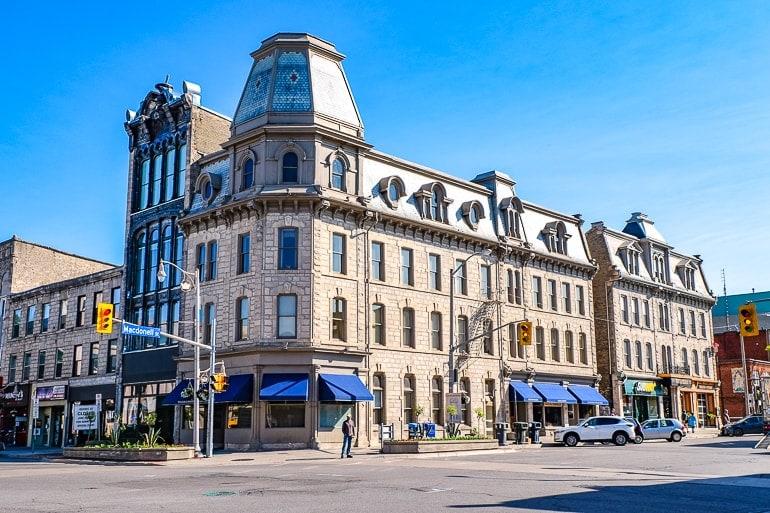
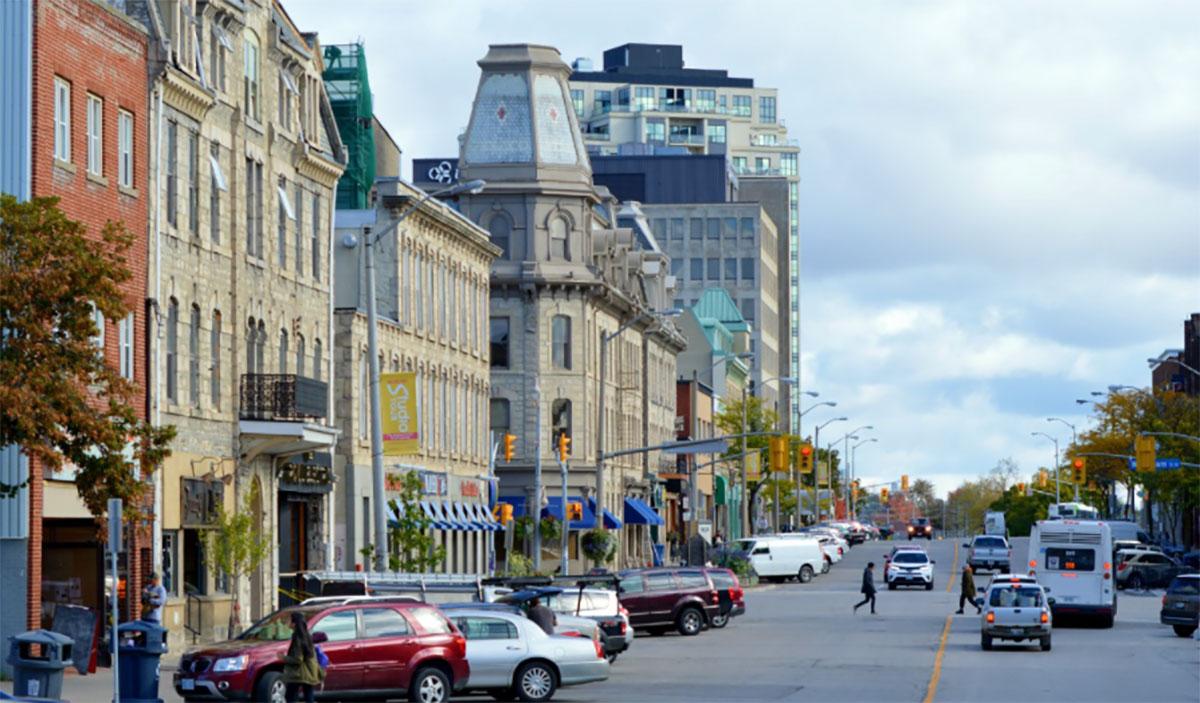
Guelph benefits from several stable drivers: the University of Guelph, a strong agri-food and agri-tech cluster, advanced manufacturing, and professional services that support the broader Wellington County region. The Hanlon Expressway and proximity to Highway 401 keep logistics and small-bay industrial attractive. Downtown retail has evolved, with independent operators, food and beverage, and office-over-retail working alongside intensification. South Guelph along Clair Road and Gordon Street has drawn service commercial and medical use, while York Road’s corridor continues to change as employment and mixed-use projects phase in.
Vacancy and cap rates move by submarket and asset quality. In practice, appraisers in mid-sized Ontario cities often see:
- Small-bay industrial with basic finish trading at cap rates roughly in the mid 5s to low 7s, depending on age, ceiling height, loading, and covenant strength.
- Neighbourhood retail strips with mixed tenant quality pricing in the mid 6s to high 7s, with premiums for grocery-anchored or pharmacy-anchored centres.
- Suburban office frequently pushed to the high 7s and beyond if vacancy risk is elevated or tenant inducements are material.
These are indicative ranges, not promises, and the spread can widen quickly when environmental risk or deferred maintenance enters the picture. A good commercial appraiser in Guelph, Ontario will show the evidence behind any chosen rate and explain the trade-offs.
Property types behave differently
Appraising a single-tenant industrial condo off Woodlawn Road is not the same task as valuing a mixed-use building along Wyndham Street. Each type has its own drivers.
Income assets rely on the lease stack. What escalations exist? Who pays HVAC replacement? Is additional rent reconciled properly against operating realities like snow removal, waste, and insurance? I have seen supposed triple-net leases hide landlord recoverable costs when utility metering is shared or when parking lots require capital work that tenants argue is non-recoverable.
Owner-occupied or specialized assets, such as veterinary clinics near Stone Road or small food processing facilities in Hanlon Creek Business Park, demand careful attention to the separation between business value and real estate value. Lenders will ask whether the indicated value survives a change in occupancy. If the building only makes sense for a narrow user group, marketability risk rises.
Development land sits in a category of its own. Density under the Official Plan, servicing availability, and timing all matter more than recent raw land trades from a different service shed. In Guelph, intensification targets can support mid-rise in some corridors, but setbacks, heritage overlays, and traffic constraints may temper theoretical density. Appraisers do not guess. They triangulate from comparable transactions, land residual techniques, and documented municipal policy.
The three approaches and when they matter
Every commercial real estate appraisal in Guelph, Ontario leans on the classic trio: cost, income, and direct comparison. Not every approach carries equal weight.
The income approach is primary for leased investment properties. Appraisers model stabilized net operating income, vacancy and credit loss, structural allowances, and a capitalization rate grounded in comparable sales and investor surveys, then test results with a discounted cash flow when lease-up or rollover risk is material. In a downtown mixed-use example, a 3 percent vacancy allowance might be too optimistic if upper-floor office space has historically turned slower. In a neighbourhood retail plaza, tenant inducements for a newly leased end-cap, say 25 dollars per square foot in work and several months of free rent, must flow into the stabilized view, not just the first-year pro forma.
The direct comparison approach drives value for owner-occupied and simpler user properties. For a 6,500 square foot contractor shop with one drive-in door and shallow yard space, the most reliable lens is price per square foot, adjusted for condition, yard, and functional utility. The key is making apples-to-apples adjustments rather than forcing industrial and flex properties into the same bucket.
The cost approach is supportive in newer buildings where depreciation is easier to measure, and it often helps for special-use structures. For older assets, accrued depreciation is hard to quantify reliably, so the cost approach may be a check rather than a conclusion.
Zoning, planning, and the highest and best use
In Guelph, zoning bylaws and the Official Plan have teeth. An appraisal that waves past zoning risks is not serving anyone. If a building on Silvercreek Parkway has a legal non-conforming use, what happens if it is demolished or damaged beyond a certain threshold? Can it be rebuilt as-is? If a downtown property has heritage attributes, how does that shape feasible renovations and potential buyer pools?
Highest and best use analysis forces the question: is the current use physically possible, legally permitted, financially feasible, and maximally productive? For a modest retail pad along Clair Road with drive-thru permissions, the land might be worth more than the current net income if redevelopment could safely deliver a higher rent profile. Conversely, a tired office building might not pencil to residential conversion once hard costs, soft costs, and carrying during approvals are counted. A seasoned commercial appraiser in Guelph, Ontario will not chase the shiniest concept. They will run the realities of timing, fees, and market absorption.
Data quality and local comparables
Good comparables are earned, not scraped. Appraisers in Guelph lean on a mix of sources: broker networks, MLS where relevant, private databases, land registry data, and municipal records. MPAC’s property information can help normalize size and assessment context, but sale terms, inducements, and post-closing agreements are uncovered through calls and relationships. When a retail plaza sells at a headline price, the question is what went into it: was there a holdback for roof work, were rents bumped at closing, did the purchaser assume a vendor leaseback at above-market rent to smooth financing? Stripping those layers matters.
Quality data is especially crucial when the universe of true comparables is thin. For a food-grade industrial space with trench drains and higher electrical service, a generic industrial comp may need meaningful adjustments. That is acceptable if the adjustments are explained and defensible.
Environmental and building condition realities
Environmental risk sits near the top of any lender’s list. Dry cleaners, autobody shops, historical rail corridors, and fills can all trigger Phase I or Phase II Environmental Site Assessments. In practice, I have seen values shaved not only for actual contamination but also for the uncertainty before a Record of Site Condition is in place. An appraiser does not complete environmental testing, yet they must reflect its effect on marketability and cost to cure where evidence supports it.
Building condition plays a similar role. A 1998 roof nearing end-of-life, obsolete lighting, and undersized electrical service all influence value, especially when tenants push back on capital pass-throughs. If the parking lot needs resurface at 7 to 9 dollars per square foot and the roof is a six-figure expense, the income model should reserve for it in some manner, or the cap rate should reflect the risk.
The lease stack: small clauses, big consequences
In multi-tenant properties, the rent roll is the heartbeat. Renewal options at fixed rates can cap future growth. Co-tenancy clauses in retail can cascade if an anchor leaves. Gross-up clauses, if drafted poorly, may leave the landlord unable to recover legitimate expenses in a partially vacant building. When a seller tells me the plaza is triple-net, I still ask for the actual reconciliations, expense ledgers, and sample billings. The difference between theoretical and realized additional rent can be 0.50 to 1.50 dollars per square foot, enough to move value meaningfully.
Financing and lender expectations
Most lenders active in Guelph require appraisals that comply with the Canadian Uniform Standards of Professional Appraisal Practice. For commercial work, they usually insist on an AACI-designated appraiser. Turnaround times range from seven business days for a straightforward industrial condo to three or four weeks for a mixed-use portfolio. Costs vary by complexity, but buyers often budget several thousand dollars for a stand-alone report, with premiums if a narrative report https://messiahklqe102.tearosediner.net/commercial-building-appraisal-guelph-ontario-cost-timeline-and-deliverables and a DCF are required.
Lenders will test debt service coverage ratios using their own stressed interest rates, not just the appraiser’s stabilized NOI. If a property has leases rolling within the first 12 to 18 months, be ready for sensitivity analysis. Some lenders will constrain leverage when a large single-tenant lease is near expiry without a renewal in hand.
Timing the appraisal in a transaction
Order the appraisal once the Agreement of Purchase and Sale is firm or near-firm, and provide the executed document to the appraiser. Appraisers want the price to benchmark reasonableness, not to target it. Provide clean access for the inspection, and ensure the tenants have been notified. An uncooperative tenant who refuses access to a mechanical room can add a week.
On the seller side, commissioning an appraisal before bringing a property to market can be smart in certain cases, especially for complex assets or when vendors are distant owners with limited operational detail. I have seen sellers avoid a re-trade by fixing a missing fire safety report or formalizing informal parking revenue before going live.
Choosing a commercial appraiser in Guelph
Selecting the right professional matters as much as the timing. For commercial appraisal services in Guelph, Ontario, you want an AACI with recent, local experience and the temperament to ask hard questions. Consider the following:
- Local track record, especially with your asset type and submarket.
- Depth of rent roll analysis and willingness to test expense recoveries.
- Clarity in reporting, including how adjustments and rates are supported.
- Responsiveness and realistic timelines, including capacity in busy seasons.
- Independence and compliance with CUSPAP and lender panels.
A strong commercial appraiser in Guelph, Ontario will tell you when available data is thin and how they bridged the gap. That candor often protects both parties.
Practical preparation that saves time
The smoother the information handoff, the faster and cleaner the appraisal. Buyers and sellers often underestimate the value of a tidy package.
- Current rent roll and all leases, amendments, and side letters.
- Last two to three years of operating statements with expense detail and reconciliations.
- Recent capital projects and remaining warranties, with invoices.
- Site plan, floor plans if available, and any building condition or environmental reports.
- Zoning confirmation or correspondence that clarifies legal non-conforming uses.
I have watched a missing HVAC lease clause cost a week. I have also seen a one-page letter from the City stating legal non-conforming status unlock a lender’s comfort almost immediately.
Common pitfalls specific to Guelph
Local patterns matter. In the Hanlon Creek Business Park, yard functionality and truck maneuvering space can trump a slightly lower price per square foot. On older corridors like York Road, legacy uses may be tolerated but not easily reapproved for intensification without upgrades, which changes feasibility math. Downtown, heritage overlays and parking supply affect capitalization rates more than many first-time buyers expect. South Guelph’s medical and professional nodes carry a rent premium that vanishes if the build-out is too specialized and tenant indemnities are weak.
Another recurring issue is HST. Commercial sales in Ontario can be subject to HST unless an exemption or election applies, for instance a sale of a rental property to a registrant that continues commercial leasing. An appraiser does not advise on tax, yet must state the value premise clearly: typically market value assuming the property is sold free and clear of financing, with normal adjustments and in fee simple or leased fee as applicable. Your lawyer and accountant should align the tax treatment to avoid surprises.
Case sketches from the field
A small-bay industrial condo near Woodlawn Road attracted multiple offers. The buyer’s underwriting assumed market rent at 13 dollars per square foot net along with full recovery of common area maintenance. The actual bylaws gave the condo board authority to levy special assessments that were not consistently budgeted. After we obtained three years of financials, we adjusted the expense line by 0.60 dollars per square foot. That single change moved the indicated value down by roughly 4 percent at the accepted cap rate. The lender advanced, but at a slightly lower loan-to-value.
A mixed-use building downtown had an upper-floor office tenant paying below-market rent, with a renewal option at fixed rates. The seller marketed future upside. The appraisal acknowledged the gap, but the fixed option capped growth for five years. We stabilized the income by stepping rents only after the option expired, discounted appropriately. The final value was still healthy because the ground-floor restaurant lease was signed with a strong local covenant at market rent, and the building had a new roof with transferable warranty, which helped the cap rate.
A retail pad south of Stone Road had a drive-thru tenant with percentage rent above a break point. Sales were strong, but the lease defined gross sales in a way that excluded third-party delivery. Once we modeled realistic future sales channels, the percentage rent contribution moderated. That nuance corrected overly optimistic valuations and prevented the buyer from overleveraging.
Negotiating armed with an appraisal
An appraisal is not a weapon, it is a map. Still, it can redirect a negotiation. If the report shows that a plaza’s additional rents lag peers by 1 dollar per square foot because of outdated utility allocations, a purchaser can negotiate a price concession or, better, a vendor-funded submetering plan. If a property has limited yard access that restricts truck flow, identify that constraint rather than simply arguing for a higher cap rate. Sellers who invest time with the appraiser often emerge with a clearer story to share with the market, which can justify firm pricing.
Working with uncertainty
Not every answer is crisp. Some properties lack decent comparables. Some tenants do not share sales reports or refuse to disclose assignment clauses. In those cases, the appraiser’s job is to bound the outcome and explain the range. Sensitivity tables, while not always included, can be valuable for buyers and lenders. If the cap rate shifts 50 basis points or rent growth trails inflation by 100 basis points, what happens? Experienced investors like to see the bones of the analysis, not only the single number.
After the report: what to do with findings
Take the findings seriously. If deferred maintenance is flagged, incorporate it into capital plans, or renegotiate. If the appraiser suggests that the highest and best use is redevelopment in five to seven years, but income today is defensible, align financing with that horizon and avoid onerous break fees. If environmental issues are noted, engage a qualified environmental consultant, and understand whether remediation, monitoring, or a Record of Site Condition is necessary to reach your end state.
For sellers, a pre-listing appraisal can become a checklist of fixes. Normalize expenses, clean up signage agreements, reconcile additional rents properly, and formalize any handshake deals on parking or storage. Those moves not only improve value, they reduce deal friction.
When a second opinion helps
No one likes paying twice. Still, on larger or nuanced assets, a second appraisal can be prudent, especially if two lenders are in play or if the first report feels misaligned with obvious market evidence. Look for commercial property appraisers in Guelph, Ontario who can explain why their assumptions differ. Sometimes it is simply timing: a major comparable sale closed after the effective date. Other times it is methodology: one report treats a non-recoverable expense differently or misreads a lease clause. Aligned assumptions often bring the values closer.
The bottom line for buyers and sellers
Commercial real estate appraisal in Guelph, Ontario is a craft rooted in local knowledge and disciplined analysis. Strong reports do three things well: they tell a clear story about the property and its context, they show their math and sources, and they demonstrate judgment where data is thin. Whether you are securing financing for a warehouse near the Hanlon or selling a mixed-use building downtown, invest in an experienced commercial appraiser in Guelph, Ontario who will ask the right questions, test claims, and put numbers to the risks and opportunities you sense intuitively.
When that happens, deals tend to close on time and on terms everyone can explain the morning after. And that, more than any headline price, is what builds lasting value in a market like Guelph.