Commercial Appraisal Waterloo Region: What Lenders Want to See
Waterloo Region is not a monolith. Kitchener’s adaptive reuse lofts sit a few blocks from fresh mid-rise infill, Waterloo’s tech corridors push office demand in bursts, Cambridge’s industrial parks hum along the 401, and https://rentry.co/zptghsyg the Townships add land and logistics options that look different again. A credible commercial property appraisal in Waterloo Region has to speak that language, because lenders read appraisals with a specific set of questions in mind. When the answers are clear and defensible, files move. When they are fuzzy, deals slow down or come apart.
After years of working as a commercial appraiser in this market, I have seen strong deals stumble for small reasons: a lease clause missed in a quick review, a rent comparables set pulled from a different submarket, an environmental disclosure buried in an appendix. The lender’s lens is practical. They care about collateral strength, cash flow durability, marketability, and risk. An appraisal that locks those four pillars together gets traction, regardless of asset class.
The lender’s core questions
Strip away the acronyms and valuation jargon, and lenders are after four answers.
First, what is the collateral worth today, as it sits, in this market. Second, how dependable is the income stream or owner-occupier utility that supports repayment. Third, if they had to take the property to market within a reasonable period, could they sell it and recover their exposure. Fourth, what could go wrong, and how likely, severe, and mitigable are those risks. Every chart, cap rate, and page of narrative in a commercial appraisal should connect back to those points.
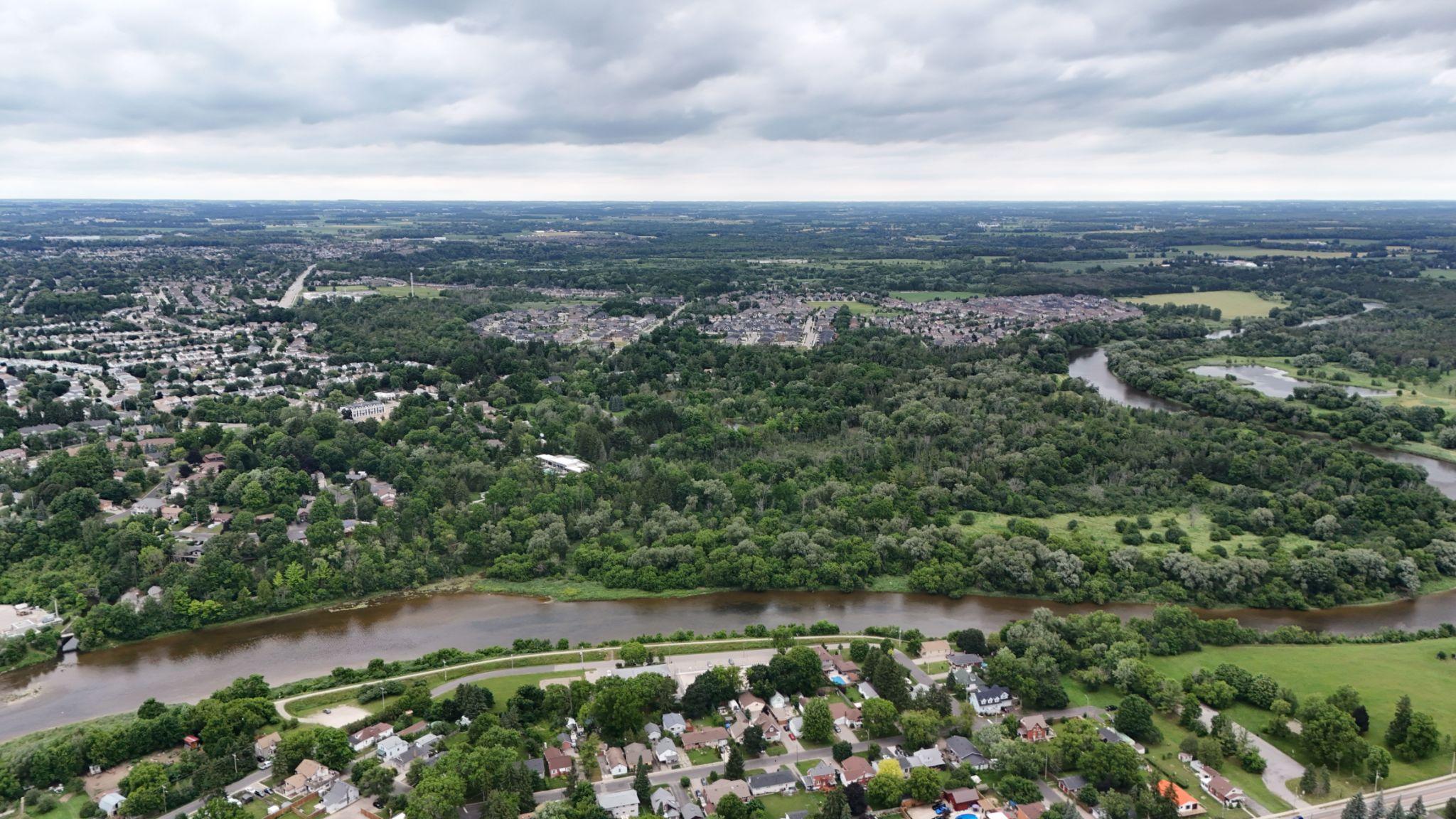
Within that frame, context matters. A commercial real estate appraisal in Waterloo Region does not read the same as one in Toronto or Guelph. Our industrial vacancies have trended lower than office for years, on-site parking can swing small-tenant demand, and certain corridors have rent ceilings that push tenants to nearby alternatives. Lenders who do a lot of business here know the nuance. An appraisal that misses it sets off alarms.
What makes Waterloo Region different in practice
Local texture shows up in data selection and risk commentary. A few examples that surface repeatedly:
-
Industrial tilt. Along the 401, from Hespeler to Preston, small to mid-bay industrial with clear heights in the 20 to 28 foot range and decent shipping doors tends to lease quickly when priced within market bands. Incomes and cap rates in this slice can look different from older flex spaces tucked into Kitchener’s inner streets. When a commercial appraisal in Waterloo Region mixes those comparables, the implied market support wobbles.
-
Tech-weighted office. Waterloo’s uptown and parts of Northfield have office users with higher tenant-improvement spend and shorter decision cycles. Landlords will sometimes trade a notch of base rent for stronger covenants or longer terms. A lender wants the appraisal to separate headline rents from effective rents after inducements and free rent periods, then test whether those concessions reflect a stabilizing lease-up or structural weakness.
-
Retail pockets. Belmont Village, downtown Galt, and certain suburban strips do not move in lockstep. Exposure time and marketing time differ street by street. An experienced commercial appraiser in Waterloo Region will show why, not assume a generic 6 to 12 month range without evidence.
These are not academic points. They feed directly into market rent conclusions, cap rate selection, and vacancy allowances, the bones of the income approach that most lenders focus on.
The reporting framework lenders expect
Most institutional lenders, Schedule I banks, and larger credit unions in Ontario rely on the Appraisal Institute of Canada standards. They typically want a full narrative report, prepared to CUSPAP, signed by an AACI-designated appraiser, with the lender named as the client or as an intended user through a reliance provision. Some lenders hold an approved appraiser list and will decline reports from firms not on it. These are procedural, but they matter. If you engage a firm for commercial appraisal services in Waterloo Region, confirm the scope, intended use, and lender requirements up front.
Lenders usually specify one or more value scenarios. As is value is the default. For construction or repositioning loans, they may also request as if complete and as stabilized values, clearly separating hypothetical conditions from extraordinary assumptions. Those distinctions should be prominent near the value conclusions, not buried in the back.
Income, not just bricks: the core of value for lenders
For income-producing property, the income approach carries the heaviest weight. Lenders read the rent roll analysis with a pen in hand. They are looking for:
-
Market rent support that ties to specific, recent Waterloo Region comparables, adjusted for size, location, build quality, and condition. A cap rate derived from national surveys without local evidence does not fly on its own.
-
A normalized net operating income that strips out one-time items, aligns recoveries with lease structures, and plugs any missing costs. For triple net leases, show what is actually recovered and what is not. For gross or semi-gross, demonstrate the conversion to a net basis.
-
Vacancy and non-recoverable allowances supported by submarket evidence. For newer industrial with clean loading and competitive ceiling heights, a stabilized vacancy near the low single digits might be justified in tight periods, while older office floor plates could demand higher allowances. State the period and the data source.
-
A capitalization rate range that reflects Waterloo Region risk and recent trades. For example, well-leased small-bay industrial may transact one to two cap rate points tighter than challenged suburban office, but the bands shift with debt costs and sentiment. Show the sales set, net out atypical factors, and anchor your adopted rate within a defensible range.
One lender rule of thumb I have seen more than once: if the income approach and the direct comparison approach diverge by more than 10 to 15 percent for stabilized assets, expect questions. Sometimes the divergence is justified by intangible lease value or atypical expenses. Explain it outright.
The sales and cost approaches, used wisely
The direct comparison approach lends discipline to land and owner-occupied assets. Lenders want adjustment logic that mirrors buyer behavior, not abstract percentages. In Kitchener or Cambridge, parking constraints, loading, clear height, and power capacity often move the needle more than raw square footage. Sales older than 12 months are still usable if you show market movement and why the comps remain relevant. Adjustments should be consistent across the set, and the reconciliation should favor the strongest, most comparable transactions rather than averaging everything.
The cost approach earns its keep in two situations: newer special-purpose buildings where buyers do price based on reproduction or replacement costs plus or minus functional obsolescence, and insurance scenarios. If you are valuing a new or nearly new facility in the Townships with specialized food-grade fit, ignoring cost leaves value on the table. Lenders do not always lend on cost, but they like to see the analysis as a reasonableness check, particularly for construction files.
Environmental, zoning, and legal considerations that change underwriting
I have watched deals stall not because of value, but because the risk shelf was not addressed early. A lender’s credit memo typically flags a short list of non-financial issues.
-
Environmental status. A current Phase I ESA is the baseline for most commercial loans. If a Phase II is recommended or already completed, the appraisal should reflect the findings, the scope of remediation if any, and whether stigma remains post-remediation. Properties with past dry cleaning use, older filling stations, or manufacturing histories draw closer scrutiny. If the site plan shows venting or monitoring wells, say so.
-
Zoning conformity. Show the current zoning bylaw designation, the conformity of the existing use, and any recognized legal non-conforming status. If an industrial user expanded beyond permitted uses, the lender will want to see compliance plans or variances. Tie setbacks, parking counts, and lot coverage to the bylaw where material to use or leasing.
-
Title and encumbrances. Most lenders rely on their own title review, but they expect the appraisal to note known easements, rights-of-way, shared access, or restrictive covenants that affect utility or marketability. If the only loading door shares a drive aisle with the neighbor, exposure time and tenant pool could change.
-
Building code and life safety. Appraisers do not certify compliance, but noting the presence and apparent condition of sprinklers, fire separations, and accessibility elements helps lenders judge operational risk. For older mills converted to office or creative industrial, code upgrades can be a meaningful capital line item.
Lease audits that actually tell the story
A commercial property appraisal in Waterloo Region should include a lease abstract that is closer to an audit than a list. Lenders focus on survivability of cash flow under stress. The appraisal’s lease review should highlight termination options, early occupancy clauses, contraction rights, unusual landlord obligations, and co-tenancy clauses in retail. Percentage rent, if any, should be parsed by category. In multi-tenant industrial, look for gross-up provisions and caps on controllable expenses. If tenants self-perform maintenance that a typical landlord would carry, normalize the expense structure and say why the adopted pro forma is realistic.
If a tenant is a local covenant rather than a national name, include brief commentary on industry risk and sales performance if available. Lenders do not demand a forensic review, but a paragraph or two can move a file from caution to comfort.
Exposure time, marketing time, and the lender’s exit
Appraisals must state exposure time and marketing time. Lenders often anchor loan terms to the idea that, if they had to exit, they could sell within the marketing time conclusion. In Waterloo Region, a clean, small-bay industrial condo might transact in a few months in a liquid period, while a larger, single-tenant office with a short remaining term could take longer. Do not default to a generic range. Support the conclusion with local broker interviews and observed listing-to-sale periods, then explain how current debt costs and buyer demand affect that window.
Construction and development: as if complete and as stabilized
For construction loans, lenders ask for two or three value scenarios: as is, as if complete, and as stabilized. Those are not synonyms. As if complete assumes construction to plans and specs is done on the effective date. As stabilized assumes the property has reached normal occupancy and stabilized cash flow, which could be months after completion for lease-up assets. State the lease-up period and absorption rate explicitly, tie them to local evidence, and separate hard and soft costs, developer profit, and contingency in the discussion.
The sensitivity section matters here. Lenders respond well to a short, clear test: if cap rates widen by 50 basis points, or if achieved rents land 5 percent below pro forma, where does value fall. You do not need a Monte Carlo simulation, but a couple of well-chosen scenarios help credit teams assess downside.
Owner-occupied assets and business value traps
Waterloo Region has many owner-occupied industrial and service properties. When value leans on the income approach, make sure the rent you capitalize reflects market, not a transfer price set to match debt service. Lenders have seen that game. Support market rent with third-party leases and adjust for differences in build-out, power, cranes, mezzanines, and yard area. Separate any business value from real property value. For restaurants, car washes, hotels, or other going-concern assets, lenders often want a real estate only value or a clear allocation among real estate, furniture fixtures and equipment, and intangible assets. If you are not performing a going-concern appraisal, say so plainly.
What documents and data speed underwriting
Here is a short checklist borrowers and brokers can assemble before the site visit to help a commercial appraisal in Waterloo Region move quickly:
- Current rent roll with start dates, expiries, options, rent steps, and summary of recoveries by tenant.
- Last two years of operating statements with a trailing 12 month detail if available.
- Copies of material leases and any recent amendments or inducements.
- Site plan, building plans if on hand, and a list of capital improvements over the last five years.
- Any environmental, building condition, or roof reports commissioned in the last three years.
Appraisers can and do proceed without every document, but lenders prefer fewer assumptions. When source material is complete, the appraisal reads cleaner and the conditions precedent to funding shrink.
Cap rate selection, without hand-waving
Lenders zero in on cap rates because they compress complex judgment into a single number. A sound cap rate selection for commercial appraisal Waterloo Region files tends to triangulate across three anchors.
First, recent sales of similar assets, adjusted for time. If debt cost has moved meaningfully in the last quarter, note it and show how buyer yields are responding. Second, investor surveys as a context, not a crutch. If a national survey shows industrial caps at 5.75 to 6.25 percent, but local trades print closer to 6.75, be honest about the gap and why. Third, debt coverage math. If your concluded cap rate implies a value that would not pencil for an average buyer at contemporary loan-to-value and debt service coverage ratio targets, you need to explain what buyer is in that seat and why.
In volatile periods, present a range and reconcile to a point estimate. Lenders can live with nuance when it is laid out clearly.
Small points that make a big difference
A few practical touches help an appraisal land well with lenders:
-
Photographs that show context, not just the subject. If truck courts are tight or access to a signalized intersection is a selling point, capture it.
-
A map that places the subject among key nodes: 401 access, LRT stations, primary arterials, and complementary users.
-
Clear treatment of property taxes. State the current year, note reassessment timing, and, if a redevelopment changes assessment class or value, estimate the stabilized tax load with sources.
-
Distinguish between physical vacancy and economic vacancy. If tenants sit on free rent periods, your trailing 12 months may understate true income; conversely, a fully leased building with a weak payer could deserve an economic vacancy reserve.
-
Plain language around hypothetical conditions and extraordinary assumptions. Lenders will quote from these sections liberally. Do their future selves a favor with crisp, unambiguous phrasing.
Special situations: heritage, strata, and condominiumized industrial
Waterloo Region has pockets of designated heritage buildings repurposed for office or retail. Heritage status can support rent premiums for certain tenants, but it can also imply higher capital costs and approval complexity. Lenders will look for commentary on likely capital cycles for windows, masonry, and roof systems, and whether any grants or tax relief programs apply.
Industrial condominiums have become common near the 401. When appraising a unit, show the share of common elements, parking allocations, and any restrictions on use in the declaration. The lender will want to see the condo budget and reserve fund health, because a surprise special assessment can change cash flow dynamics overnight.
When the direct comparison approach leads
For land, and for certain owner-occupied properties, the direct comparison approach can be the lead. Lenders will look for parcel-by-parcel logic: frontage, depth, access, services, topography, and development constraints. In Cambridge or North Dumfries, proximity to interchanges and servicing timelines move value more than in-fill sites in Kitchener. A grid of adjustments is fine, but the narrative should explain the buyer’s calculus. If a buyer paid a premium for immediate buildability, say so and scale the premium appropriately when applying it to a subject that requires approvals.
What happens after the appraisal lands
A thorough appraisal does not end the conversation. The lender’s underwriter may come back with targeted questions. Common asks:
- Clarify whether the vendor take-back financing on a comparable sale affected price.
- Show sensitivity if market rent were 50 cents per square foot lower.
- Confirm whether a tenant’s renewal option is at market or fixed.
- Provide a reliance letter naming the lender or add a permitted reliance clause.
These are not red flags. They are the natural dialogue between valuation and underwriting. Quick, specific responses keep momentum.
Choosing the right commercial appraiser Waterloo Region
Not all complexity calls for a heavyweight report, but lenders prefer experience with the asset type and the submarket. Ask prospective firms how many similar appraisals they have completed in the last 12 months, which lenders have relied on their reports recently, and how they source and maintain comparable data. For niche assets like self-storage, cold storage, or data centers, make sure the appraiser can separate real property value from enterprise value competently. A firm that regularly delivers commercial appraisal services in Waterloo Region will already have the broker relationships, sales databases, and lease files that keep conclusions tight.
A realistic take on timing and fees
Turnaround time depends on complexity and access to information. For a straightforward industrial or retail asset with clean leases and no environmental wrinkles, a full narrative report often takes one to two weeks from site visit, faster if data is complete. Add time for multi-tenant office with rolling renovations or for development land with layered approvals. Fees vary accordingly. A tight quote that assumes perfect information sometimes leads to change orders when missing data surfaces late. Setting a practical timeline upfront saves everyone friction.
How borrowers and lenders prepare together
To close with specifics, here is a short, workable process that gets results with most commercial appraisal Waterloo Region assignments:
-
Before commissioning, align the scope. Confirm value scenarios, intended users, and whether the lender will accept the firm and format.
-
Front-load documents. Provide the rent roll, operating statements, key leases, plans, and any third-party reports at engagement, not piecemeal.
-
Grant site access promptly and introduce the property manager. Field questions early.
-
Expect a brief draft review to catch factual errors, then let the appraiser finalize without substantive edits that compromise independence.
-
Route post-report questions through a single point of contact. Clear lines reduce version control issues and keep the file tight.
This approach respects the independence of the appraisal while addressing the lender’s practical needs. It compresses the timeline without cutting corners.
The throughline lenders want to see
A commercial real estate appraisal Waterloo Region lenders will trust has a few consistent traits. It anchors conclusions in current, local evidence, not wishful thinking. It translates lease complexity into stabilized cash flow without hiding the seams. It flags risks early, quantifies them where possible, and shows feasible mitigations. It reads like it was written by someone who has set foot in the submarket and talked to the people who actually do deals there.
Do that, and the appraisal stops being a hurdle and starts being a tool. Borrowers get clarity on leverage and terms. Lenders get confidence in collateral and exit. The region’s varied market, from uptown Waterloo offices to Cambridge industrial and Kitchener mixed-use, rewards that kind of grounded analysis. When you engage a commercial appraiser Waterloo Region teams already know, and you provide the right material at the start, you are not just buying a report. You are buying time and certainty, the two things every lender values most.